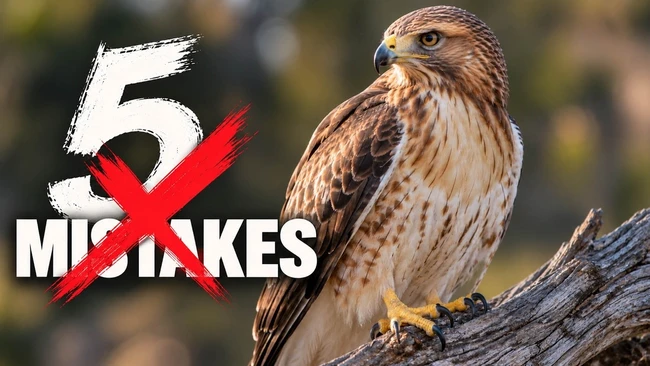
Wildlife images often require more post-processing than other genres due to challenging shooting conditions. Photographers frequently work with long lenses, high ISO settings, unpredictable subjects, and uncontrolled backgrounds—factors that introduce noise, softness, and exposure issues straight out of the camera. As a result, edits like cropping, noise reduction, and selective brightening become essential tools for rescuing usable frames.
These same adjustments, however, are also the most likely to push an image into overprocessed territory when applied too aggressively. Excessive noise reduction can erase fine details in fur or feathers, while heavy masking to brighten shadows may create halos or unnatural contrast. Cropping, though useful for composition, risks degrading image quality if relied upon too heavily, especially with already compromised resolution from high ISO or digital zoom.
The key for content creators lies in restraint and purpose. Each edit should serve a clear goal—reducing distraction, restoring detail, or guiding the viewer’s eye—without compromising the scene’s authenticity. Successful wildlife edits enhance what was captured, rather than reconstructing it. This balance preserves the integrity of the moment while still delivering a polished, professional result that resonates with audiences seeking genuine natural imagery.
Ultimately, the difference between a natural and overcooked wildlife edit isn’t about avoiding adjustments—it’s about knowing when enough is enough. Creators who master this subtlety not only produce stronger images but also build trust with viewers who value realism in nature storytelling. Thoughtful editing becomes a quiet skill, one that supports the story instead of telling it.
Join the conversation
Load Facebook comments to read and reply using your Facebook account.
