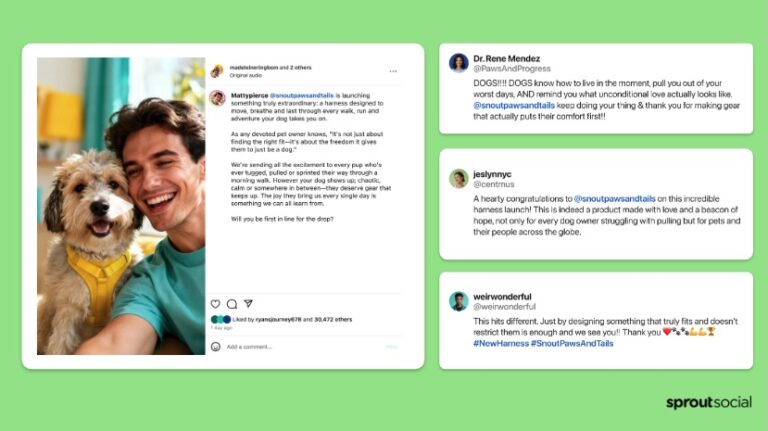
Engagement is up. Mentions are spiking. Sentiment is trending positive. These aren’t just vanity metrics — they’re signals waiting to be turned into strategy. For content creators and brands alike, the real power lies not in seeing the data, but in translating it into a clear, compelling narrative that drives action across teams.
When social conversations highlight a specific hack, trend, or user-generated insight — like a creative workaround or unexpected use of your product — it’s an invitation to listen deeper. The goal isn’t just to report what’s happening, but to frame it as a story: who’s involved, what they’re experiencing, why it matters, and what your organization should do next. This is where data storytelling bridges the gap between analytics and impact.
Effective data storytelling starts with context. Instead of presenting raw numbers, creators and marketers should connect spikes in engagement to broader themes — community behavior, emerging needs, or shifts in brand perception. A positive sentiment trend around a user-shared hack, for example, isn’t just a win; it’s a clue about what your audience values and how they’re innovating with your offerings.
The next step is structuring the insight like a narrative: begin with the observation (the spike), explore the human behavior behind it (why people are sharing), and end with a clear implication (what your team should test, amplify, or adjust). This approach makes insights memorable and actionable — turning passive reporting into active strategy.
For creators managing personal brands or collaborating with businesses, mastering this skill means moving beyond performance reports to become strategic partners. By framing social data as a story, you don’t just inform your organization — you inspire it to act.
Join the conversation
Load Facebook comments to read and reply using your Facebook account.
