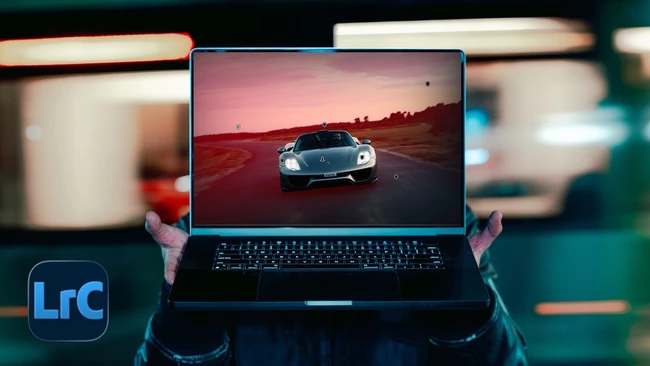
Car photography often yields massive volumes of images, with shoots easily producing 1,000 to 2,000 frames. For content creators, the real challenge begins after the shutter clicks—sorting, selecting, and editing those images efficiently can determine how many final shots make it to delivery. A streamlined Lightroom workflow isn’t just about saving time; it directly impacts the quality and consistency of the final output.
The order of operations in Lightroom—from initial culling to tone curve adjustments, masking, and Denoise application—plays a critical role in shaping the final look. Applying edits in the wrong sequence can lead to redundant work or suboptimal results, especially when dealing with high volumes. For example, using Denoise too early may interfere with later tonal adjustments, while masking before global tone curves can limit flexibility.
Top car photographers emphasize a deliberate sequence: start with rigorous culling to reduce the workload, then apply foundational adjustments like white balance and exposure before moving to creative tools such as the tone curve. Localized edits via masking come next, allowing precise control over highlights, shadows, or specific vehicle details. Denoise is typically reserved for later stages, particularly when working with high-ISO shots, to preserve detail without compromising earlier adjustments.
This structured approach ensures that each edit builds logically on the last, minimizing backtracking and maximizing efficiency. For creators managing tight deadlines or high client volumes, adopting a consistent Lightroom workflow—like the one outlined in the Fstoppers guide—can mean the difference between delivering a polished gallery on time and getting bogged down in post-production. As automotive content continues to grow in demand, mastering this process is becoming as essential as the shoot itself.
Join the conversation
Load Facebook comments to read and reply using your Facebook account.