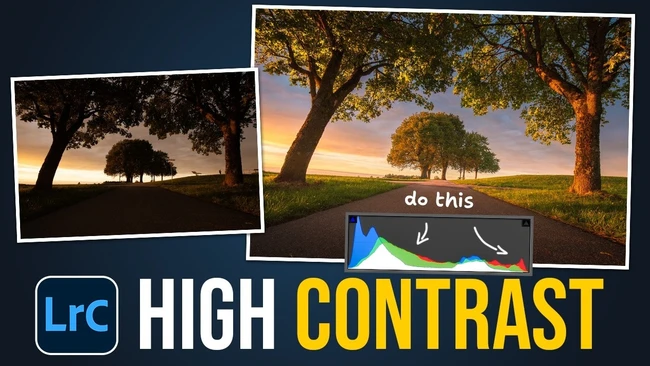
High contrast can quickly ruin a landscape photo, turning vibrant sunsets into flat, overexposed skies or crushing shadows into featureless black. As highlighted in a recent Fstoppers guide, the key to impactful imagery lies in balancing punch with preservation—holding detail in both highlights and shadows while maintaining visual drama.
For content creators, mastering this balance is essential. Whether shooting golden hour landscapes or editing dramatic outdoor scenes, blown-out skies distract viewers and reduce the perceived quality of your work. Similarly, lost shadow detail can make images feel flat or artificially processed, undermining authenticity.
The approach involves careful exposure during capture and precise post-processing techniques. Creators are advised to avoid pushing contrast sliders too far in editing software, instead using tools like curves, selective adjustments, and luminosity masking to enhance texture and depth without sacrificing tonal range.
By focusing on subtle, controlled contrast boosts—such as enhancing midtone separation or using graduated filters to darken skies selectively—creators can achieve that cinematic feel while keeping natural gradients intact. This method supports both aesthetic appeal and technical quality, important for portfolios, client work, and platform algorithms that favor well-exposed, detailed imagery.
Ultimately, high contrast shouldn’t mean sacrificing detail. For landscape photographers and visual creators, the goal is to guide the viewer’s eye through a scene with depth and emotion—something only possible when both the brightest skies and darkest shadows retain their character. Applying these principles helps elevate your work from striking to truly professional.
Join the conversation
Load Facebook comments to read and reply using your Facebook account.
