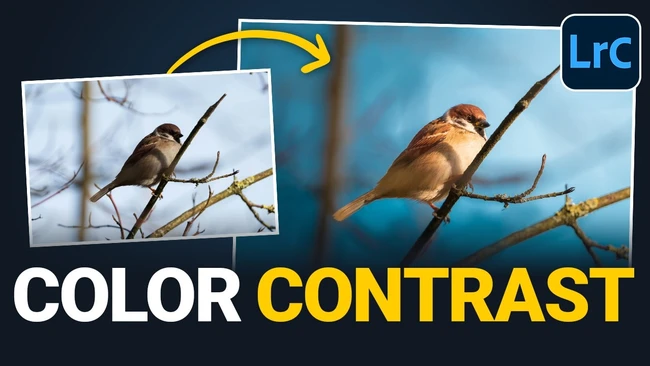
Bird photography is notoriously unforgiving during the editing stage. A dull background, clashing colors, or a subject that looks flat can quickly undermine an otherwise strong capture, leaving creators with images that fail to convey the impact they experienced in the field.
The solution highlighted in recent discussion centers on a specific Lightroom masking approach. This method involves a precise sequence of adjustments that many photographers overlook, yet it directly addresses the three common pitfalls that weaken bird shots.
By applying masks to isolate the bird from its surroundings, editors can independently tone down distracting backgrounds, harmonize clashing hues, and add depth to the subject itself. The process relies on layering selective adjustments rather than global edits, allowing each element of the frame to be refined without affecting the others.
For content creators, mastering this sequence translates into a more polished portfolio. Stronger visuals tend to hold viewer attention longer, improve the perceived quality of a creator’s work, and can open doors to collaborations, licensing opportunities, or increased audience growth—all valuable outcomes in a competitive creator landscape.
Because most photographers skip the nuanced steps involved, those who invest time in learning and practicing this masking trick gain a clear edge. Consistently producing striking bird images not only showcases technical skill but also reinforces a creator’s brand as a reliable source of high‑impact wildlife photography.
Join the conversation
Load Facebook comments to read and reply using your Facebook account.