ARTICEL:
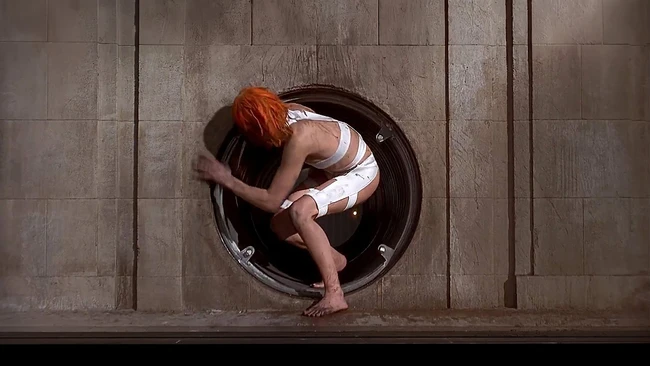
The Fifth Element stands out in science fiction for its decision to turn the lights on. While many futuristic visions immerse audiences in shadow and grime, Luc Besson chose a bright, chaotic world bursting with color. That single creative choice defined the film’s look and set it apart from the dystopian norm that dominates the genre.
By flooding the set with vivid hues and expansive lighting, Besson crafted a future that feels both fantastical and tangible. The film’s production design, costume work, and visual effects all rely on this illuminated aesthetic, giving viewers a sense of optimism amid the frenetic pace of the story. This approach has become a reference point for creators seeking to build worlds that are imaginative yet accessible.
For today’s content creators, The Fifth Element offers a lesson in world‑building through color and light. Whether designing video game environments, shooting music videos, or developing brand visuals, embracing a bright palette can convey energy and originality. The film’s chaotic yet orderly streetscapes demonstrate how visual richness can support narrative without overwhelming it.
Decades after its release, the film’s bright future continues to hold up, influencing everything from concept art to UI design. Its enduring appeal lies in the way it balances spectacle with storytelling, proving that a luminous setting can be just as compelling as a dark one.
Creators looking to differentiate their work can take inspiration from Besson’s optimism: a well‑lit, colorful future invites audiences to imagine possibilities rather than dwell on despair. By studying The Fifth Element’s visual language, makers can inject their projects with a sense of wonder that resonates across platforms and formats.
Join the conversation
Load Facebook comments to read and reply using your Facebook account.