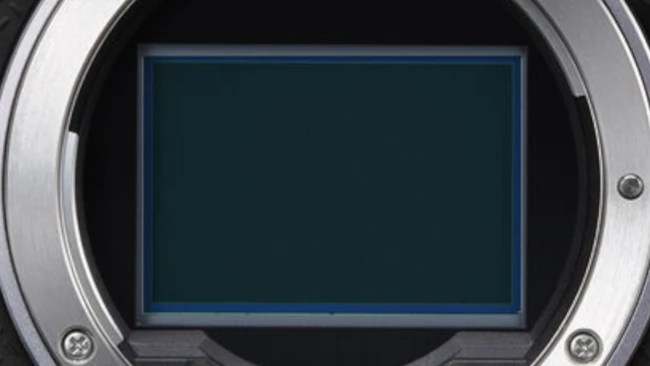
When shopping for a new camera, creators are presented with detailed specification sheets listing megapixel count, ISO sensitivity, and frame rates. According to an analysis from Fstoppers, however, a crucial metric is almost always omitted: quantum efficiency (QE). This specification directly quantifies a sensor's core function—its ability to convert incoming light (photons) into a usable electrical signal.
Quantum efficiency is a percentage that represents how efficient a sensor is at this conversion process. A higher QE means the sensor captures more signal from the available light, which can lead to cleaner images with less noise, especially in challenging low-light conditions. It is a fundamental measure of the sensor's inherent capability, distinct from processing algorithms or marketing-driven ISO numbers.
The omission of this data point is notable because it is a more direct indicator of sensor performance than several published specs. For content creators, understanding QE could provide deeper insight into a camera's low-light performance and dynamic range potential. It moves the conversation beyond marketing terms and into the realm of core engineering.
As of now, manufacturers do not standardize publishing quantum efficiency figures on consumer spec sheets. Creators researching equipment must therefore rely on third-party reviews, technical analyses, and real-world testing to infer a sensor's light-gathering prowess. While the listed specs are useful, the absence of QE highlights a key gap between the technical reality of sensor performance and the information provided at the point of sale.
Join the conversation
Load Facebook comments to read and reply using your Facebook account.