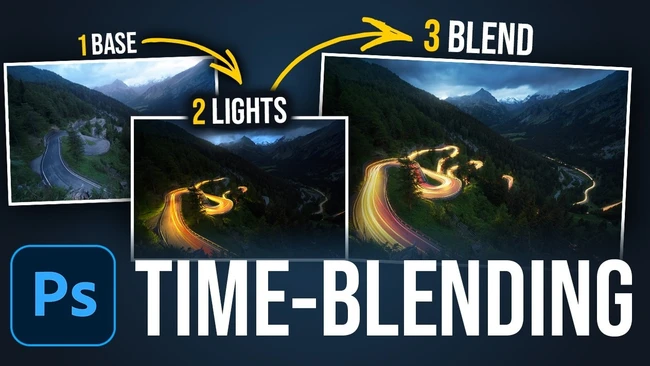
Night shots with light trails are a staple for creators — they transform an otherwise flat urban or road scene into something with genuine energy. But according to a recent Fstoppers piece, capturing those streaks in a single clean frame is harder than it looks. The source, published September 6, 2026, makes the case that time blending deserves a place in every night shooter's workflow.
Time blending is a technique that combines several exposures in post-production. Instead of relying on one long exposure to record every passing car perfectly, you shoot multiple frames and merge them so the light streaks flow together in a way a single exposure rarely manages. The result is a more polished, dynamic image with greater control over how the trails read.
For content creators, this is more than a technical nicety. A single long exposure is a one-shot gamble: a car stopping mid-frame, an unexpected light flare, or a slight camera bump can ruin the entire capture. Time blending spreads that risk across multiple frames, giving you more usable material and more flexibility in the edit. That reliability matters when you're delivering work on a deadline or building a consistent visual style for your channel.
The workflow also fits how many creators already operate. If you're shooting a night scene for a video thumbnail, a social post, or a client project, you're likely capturing extra frames anyway — whether for bracketing, focus stacking, or safety. Time blending turns those backups into a creative advantage rather than just insurance.
The trade-off is that time blending demands more time at the computer. You need to align and layer the exposures, and the final result depends on how cleanly you execute the merge. But for creators chasing high-energy night content, the extra effort can be worth it.
As with any technique, the best way to judge it is to test it yourself. Next time you're set up for light trails, shoot a few extra exposures and compare the blended result against your single long exposure. The Fstoppers article suggests the difference may be more visible than you expect.
Join the conversation
Load Facebook comments to read and reply using your Facebook account.