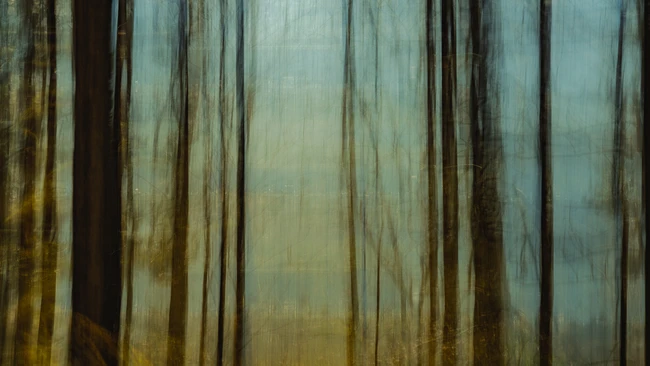
For decades, photographers have looked to painting for guidance on light, composition, proportion, and tonal control—foundational elements that strengthen visual representation. These principles are widely taught and integrated into photography education, helping creators build technically strong images. However, this approach only captures half of what painting offers.
The source material notes that the study of painting in photography typically stops once representational techniques are absorbed. What’s often overlooked is the moment painting evolved beyond mere depiction—when artists began prioritizing emotion, abstraction, symbolism, and personal expression over strict realism. This shift, which includes movements like Impressionism, Expressionism, and Modernism, introduced new ways of seeing that photography has been slower to adopt.
By focusing solely on painting’s representational strengths, photographers may miss opportunities to explore mood, intuition, and conceptual depth in their work. The expressive and experimental aspects of painting—such as brushwork as emotion, color as feeling, or distortion for impact—offer valuable lessons for creators aiming to move beyond documentation toward meaningful visual storytelling.
For content creators, integrating these less-taught aspects of painting can unlock fresh creative directions. It encourages experimentation with style, challenges conventional aesthetics, and supports the development of a personal visual voice. As the lines between photography and fine art continue to blur, understanding painting’s full evolution—not just its technical half—becomes a strategic advantage in building a distinctive, resonant portfolio.
Join the conversation
Load Facebook comments to read and reply using your Facebook account.
