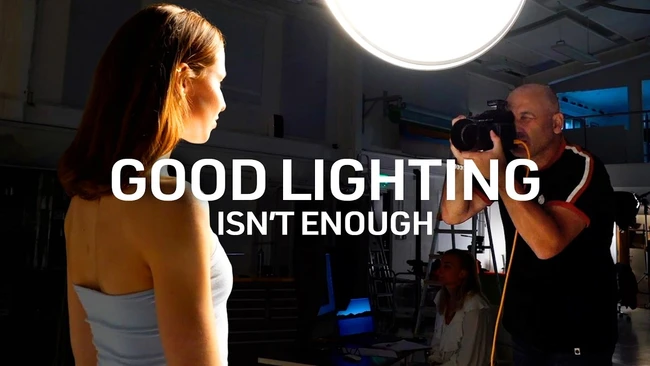
Even flawlessly executed lighting can undermine a product’s message if it conveys unintended emotions or associations. As highlighted in a recent Fstoppers analysis, a matte black Tom Ford fragrance bottle and a white Clinique moisturizer may both be lit with technical precision—clean highlights, proper exposure, zero glare—but still fail if the lighting subtly suggests luxury when approachability is intended, or sterility when warmth is needed. The core issue isn’t exposure or sharpness; it’s narrative alignment.
Lighting choices act as silent communicators. Shadow density, contrast ratio, and color temperature don’t just reveal form—they influence how viewers *feel* about a product. Deep, dramatic shadows might elevate a fragrance as mysterious and high-end, but the same treatment on a skincare item could imply harshness or inaccessibility. Conversely, overly soft, flat light on a premium object may diminish its perceived value. Creators must match lighting intent to brand voice and audience expectations.
This principle extends beyond aesthetics into conversion and trust. If lighting misrepresents a product’s texture, weight, or use case—say, making a lightweight serum look heavy and clinical—it creates cognitive dissonance. Viewers may disengage, not because the image is poor, but because it feels “off.” For content creators building brand partnerships or selling products, this misalignment can directly impact engagement and sales.
The solution lies in pre-visualization: define the emotional takeaway before setting up a single light. Ask: Does this lighting make the product feel inviting, aspirational, trustworthy, or innovative? Test variations and gather feedback—not just on technical quality, but on the story the image tells. Ultimately, good lighting isn’t just about what you see—it’s about what the viewer believes.
Join the conversation
Load Facebook comments to read and reply using your Facebook account.
