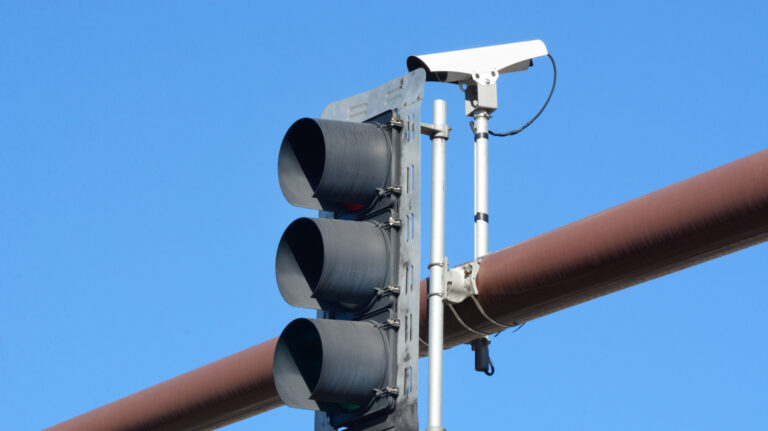
Despite growing concerns about privacy and surveillance tied to license plate recognition systems like Flock Safety, many white cameras perched above traffic intersections across U.S. cities aren’t used for tracking drivers at all. Instead, according to recent reporting from Engadget dated November 9, 2026, these devices serve a far more technical—and less controversial—purpose rooted in traffic management. Often mistaken for enforcement tools due to their conspicuous placement and sleek design, they are actually part of adaptive signal control systems designed to optimize flow based on real-time vehicle volume.
These cameras analyze traffic patterns using computer vision to detect congestion, pedestrian crossings, and vehicle queues—not individual identities. The data helps municipal transportation departments adjust signal timing dynamically, reducing idling, improving fuel efficiency, and cutting commute times during peak hours. Unlike Flock’s networked ALPR (automatic license plate reader) systems, which store and share plate data for law enforcement purposes, these overhead units typically process visual input locally and do not retain personal information unless integrated into specific pilot programs with strict oversight.
For content creators covering tech, urban innovation, or civic transparency, understanding this distinction is crucial. Mislabeling infrastructure as surveillance can fuel unnecessary panic while obscuring real conversations about ethical data use in smart cities. Creators have an opportunity to clarify how seemingly invasive technologies may actually serve public good—when deployed responsibly. As cities invest in AI-driven mobility solutions, differentiating between passive monitoring and active tracking becomes essential for informed public discourse. Highlighting these nuances empowers audiences to engage critically with emerging tech without falling prey to oversimplified narratives.
Join the conversation
Load Facebook comments to read and reply using your Facebook account.
