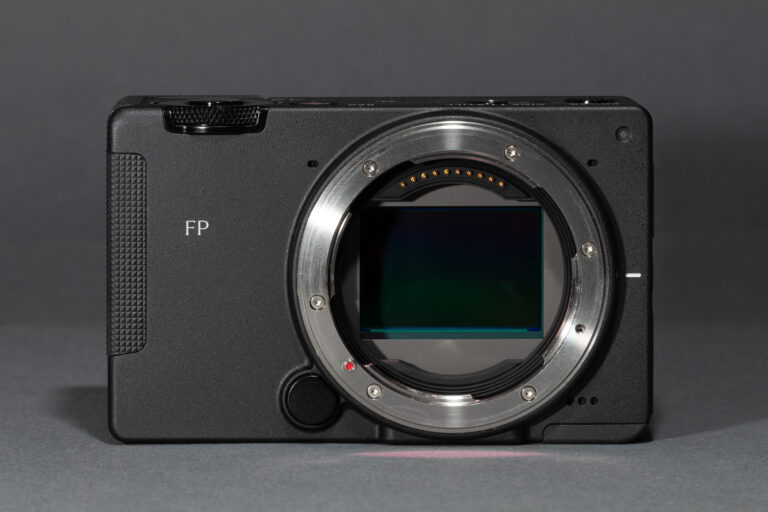
The Sigma FP2 has demonstrated sensor readout speeds more than twice as fast as its predecessor, according to a recent DPReview analysis. While the camera’s 1/50 second flash sync speed might suggest limitations, the actual sensor performance exceeds those expectations, enabling faster data processing and improved rolling shutter behavior. This advancement places the FP2 in closer competition with high-end mirrorless systems, particularly Nikon’s Z-mount lineup.
Nikon’s Z-mount system, known for its large diameter and short flange distance, has been a benchmark in the mirrorless space for optical performance and lens compatibility. The DPReview summary notes that the Sigma FP2 “is otherwise a match for Nikon's ZR,” suggesting comparable overall capabilities despite differences in design philosophy. The ZR, part of Nikon’s full-frame Z-series, benefits from the Z-mount’s ability to support advanced lens designs and high-resolution sensors.
For creators, the FP2’s enhanced speed could benefit video workflows requiring minimal distortion, such as gimbal-mounted shooting or fast-paced documentary work. Its modular design and raw video strengths continue to appeal to hybrid shooters who prioritize flexibility and post-production control. Meanwhile, Nikon’s Z-mount ecosystem offers a broader range of native lenses and established autofocus performance, catering to professionals seeking an all-in-one system.
The comparison underscores a trend where specialized cinema-oriented cameras like the FP2 are narrowing the gap with traditional hybrid mirrors. As sensor technologies advance, choices for creators increasingly depend on specific needs—whether it’s Sigma’s open-platform approach or Nikon’s integrated Z-mount advantages. Neither system dominates universally, but both push the industry forward in distinct ways.
DPReview’s evaluation, published on November 5, 2026, highlights how incremental sensor improvements can shift competitive dynamics without relying on speculative specifications. The FP2’s speed gain, while not a replacement for dedicated cinema cameras, represents a meaningful step in making compact full-frame tools more viable for demanding creative applications.
Creator Newsdesk will continue to monitor how these developments influence purchasing decisions among independent filmmakers, content producers, and imaging professionals navigating an evolving mirrorless landscape.
Join the conversation
Load Facebook comments to read and reply using your Facebook account.
