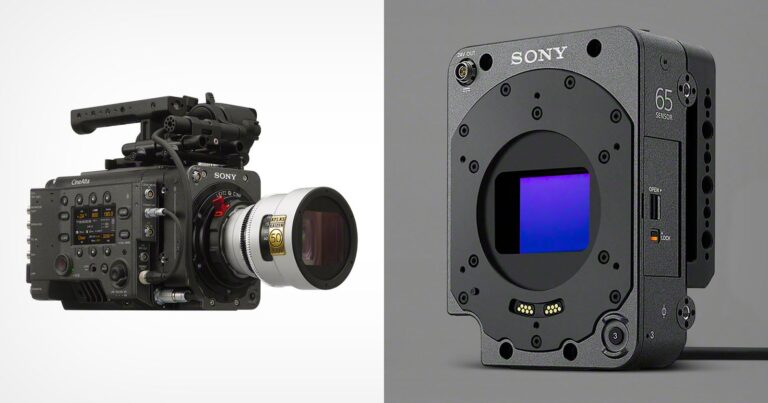
Sony has confirmed the upcoming release of its Rialto 65 Camera Extension System, designed specifically for the Venice 2 CineAlta platform. Set to launch in the first half of 2027, the system carries a price tag of $80,000, positioning it as a premium accessory for professional cinematographers and high-end content creators. The announcement underscores Sony’s continued investment in expanding the capabilities of its flagship cinema line.
The Rialto 65 functions as an extension unit that enables remote operation and enhanced flexibility for the Venice 2 camera body, which itself retails around $60,000. Together, the combined system approaches $140,000, reflecting Sony’s focus on top-tier broadcast, film, and virtual production workflows. While specific technical details remain limited in the initial disclosure, Sony’s reputation for industry-leading autofocus performance and advanced sensor technology—hallmarks of its Cinema Alpha and Venice series—suggests the Rialto 65 will integrate seamlessly with these strengths.
For creator businesses, this development signals Sony’s commitment to serving demanding professional markets where reliability, image quality, and system integration are paramount. The $80,000 price point places the Rialto 65 in direct competition with other high-end cinema accessories, though Sony frames it as a necessary evolution for creators pushing the boundaries of live-action and immersive storytelling. Comparisons to luxury vehicles or multiple mid-tier cinema bodies like the FX5 help contextualize its value within prosumer and indie circles, even as it targets elite production houses.
Ultimately, the Rialto 65 extension system reinforces Sony’s strategy of building scalable, future-ready ecosystems around its Venice platform. By offering enhanced remote control and operational flexibility, Sony aims to empower creators working in complex environments—from studio stages to remote locations—without compromising the cinematic fidelity the Venice 2 is known for. As more details emerge ahead of the 2027 launch, the industry will watch closely to see how this system shapes next-generation production pipelines.
Join the conversation
Load Facebook comments to read and reply using your Facebook account.
