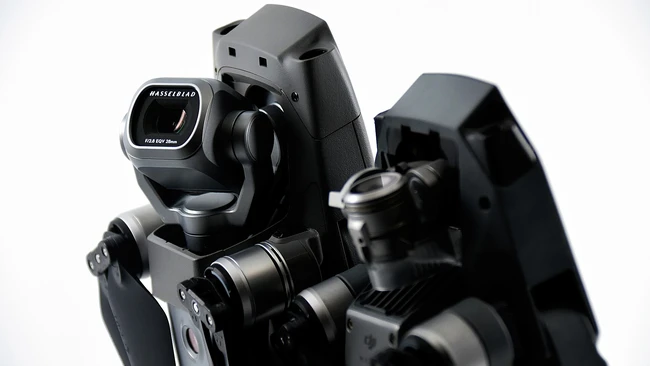
If you’ve ever shopped for a compact camera like the Sony RX100, you’ve likely seen “1-inch sensor” on the spec sheet. But as a new report from Fstoppers points out, that label is a 70-year-old fossil—the actual imaging area is 13.2 x 8.8mm, with a diagonal of roughly 15.86mm. That’s close to 16mm, not the 25.4mm you’d expect from an actual inch.
The naming convention dates back to vacuum tube technology from the mid-20th century, when sensor sizes were tied to the outer diameter of glass tubes, not the active imaging area. Today, that legacy persists in marketing materials, even though the physical dimensions bear no relation to the name. For Sony, which uses this sensor class across its RX100 series and other premium compacts, the label remains a shorthand for a specific tier of image quality.
For creators, the practical takeaway is that sensor naming isn’t a literal measurement—it’s a category. The 1-inch class sits above smartphone sensors and below APS-C and full-frame options, offering a balance of portability and low-light performance. Sony’s professional-grade reputation in this segment comes from its advanced autofocus systems and sensor technology, which deliver reliable subject tracking and high dynamic range in a body small enough for everyday carry.
The report doesn’t suggest any flaw in Sony’s hardware—it simply clarifies a confusing spec sheet. If you’re comparing cameras, focus on the actual imaging area and pixel pitch rather than the historical label. For vloggers or documentary shooters, a 1-inch Sony like the RX100 remains a solid choice, offering 4K video and fast hybrid autofocus in a pocketable form factor.
The bigger lesson for the creator economy: specs are often inherited, not engineered to confuse. Understanding the lineage helps you make informed buying decisions without overpaying for a name. Next time you see “1-inch,” you’ll know it’s a nod to the past—not a promise of physical size.
Join the conversation
Load Facebook comments to read and reply using your Facebook account.