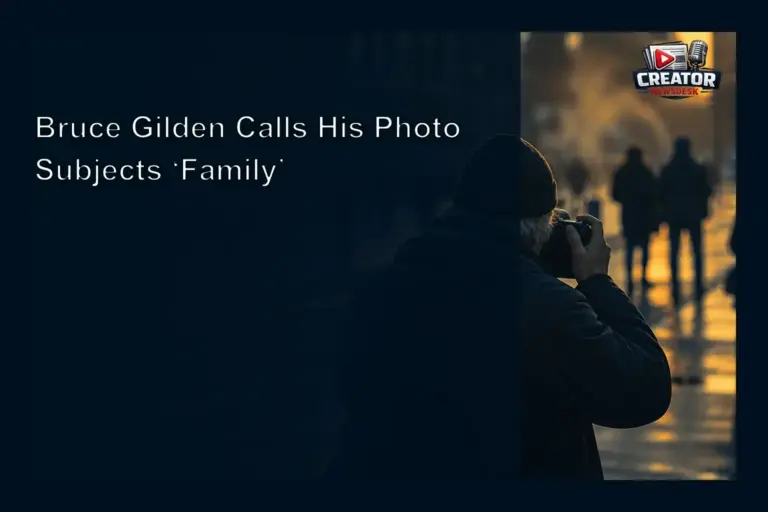
Bruce Gilden has built a decades-long career on confrontational street photography, using a close-up flash technique to capture striking portraits of people many would walk past. In a recent report from PetaPixel, dated August 5, 2026, the veteran photographer described the outsiders, misfits, and overlooked individuals who fill his images as his "family."
According to the source summary, Gilden says these subjects are more than just photographic material. That framing shifts how his work can be understood—not simply as aggressive documentation, but as a deeply personal practice built on repeated encounters and a sense of belonging. For Gilden, the people in his frames are part of his life's narrative, not disposable props for a single shoot.
For content creators, Gilden's approach carries a direct business lesson. In an era where stock footage and generic b-roll dominate feeds, a recognizable visual identity is a valuable asset. Gilden's signature flash-and-close-up style is instantly identifiable—a reminder that honing a distinct aesthetic, rather than chasing trends, can make your work stand out in a crowded market.
Beyond the look, the "family" framing points to the importance of subject relationships. While not every creator works with people face-to-face, those who do—documentary filmmakers, interviewers, and portrait photographers—can build trust and authenticity by treating subjects with genuine respect and long-term engagement. Audiences increasingly reward creators who demonstrate ethical practices and real connection, which often translates to stronger community loyalty.
The PetaPixel report offers no new technical specifications or claims about gear. Instead, Gilden's mindset serves as a creative case study. The takeaway is straightforward: find your people, build a consistent style, and let the work reflect a genuine relationship rather than a transaction. That approach, backed by a signature technique, is what turns a photographer into a name—and a channel into a brand.
Join the conversation
Load Facebook comments to read and reply using your Facebook account.