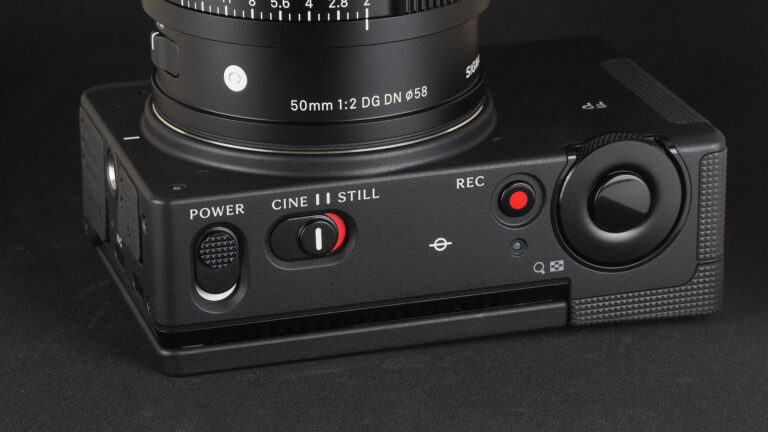
The Sigma FP2 stands out as a full-time HDR camera, a design choice that places it in rare company alongside models like the Sigma BF. This means every frame captured by the FP2 inherently contains high dynamic range data, eliminating the need for bracketing or post-processing merges to achieve extended tonal detail. For content creators, this translates to greater flexibility in highlights and shadows straight out of camera—particularly valuable in high-contrast lighting scenarios such as outdoor shoots or mixed indoor environments.
By processing HDR continuously, the FP2 simplifies workflows for videographers and photographers who prioritize speed and efficiency. There’s no delay from multi-exposure capture, reducing motion artifacts and enabling smoother handheld or gimbal-based shooting. This real-time HDR capability supports faster turnaround times, a critical factor for creators producing content under tight deadlines.
However, the always-on HDR approach comes with trade-offs. The source notes that while the FP2 excels in preserving detail across bright and dark areas, users must consider how this affects color grading latitude and file handling. Constant HDR may limit certain creative looks achievable with standard gamma curves, requiring adjustments in post-production pipelines.
Despite these considerations, the FP2’s unconventional core design appeals to creators pushing the boundaries of imaging technology. Its commitment to native HDR reflects Sigma’s focus on innovative sensor utilization rather than chasing conventional benchmarks. For those building a creative toolkit centered on resilience in challenging light, the FP2 offers a distinct, forward-thinking option grounded in practical imaging science.
Join the conversation
Load Facebook comments to read and reply using your Facebook account.
