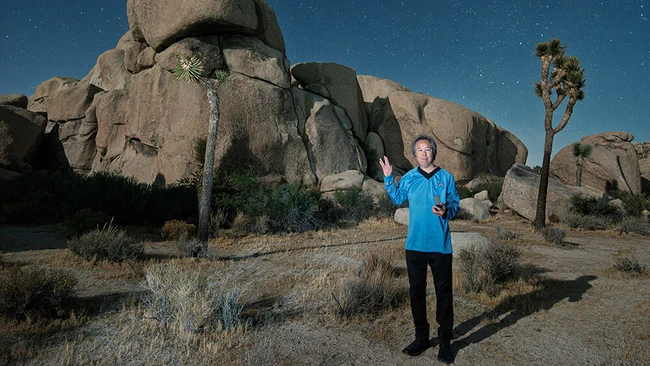
A recent Fstoppers piece highlights a rarely discussed approach to lighting people after dark, aimed at photographers who want their night portraits to look natural rather than like “deer caught in headlights” or someone telling campfire ghost stories. The article points out that while many creators chase the Milky Way or experiment with light painting, the challenge of illuminating a subject in low‑light conditions often goes overlooked, resulting in flat or overly harsh images that detract from the mood.
The core issue addressed is how to balance ambient night light with supplemental illumination so that facial features remain soft and dimensional without overwhelming the scene. By avoiding the stark, direct flash that creates the dreaded deer‑in‑headlights effect and steering clear of overly warm, uncontrolled light that can make a portrait feel like a spontaneous campfire tale, photographers can achieve a look that feels both intentional and atmospheric. The piece emphasizes that mastering this balance opens up new creative possibilities for night‑time shoots, from urban settings to remote landscapes under the stars.
For content creators, the implications are clear: higher‑quality night portraits can diversify a portfolio, attract followers interested in nocturnal aesthetics, and increase engagement on platforms where striking visuals drive algorithmic performance. Being able to reliably produce polished images after sunset also expands the range of shooting windows, allowing creators to work during golden hour, blue hour, and true night without sacrificing visual consistency. This versatility can translate into more collaboration opportunities, print sales, or commissioned work that specifically calls for atmospheric night imagery.
To put the secret into practice, creators are encouraged to experiment with portable, adjustable light sources that can be softened or directed as needed, and to pay close attention to the direction and intensity of existing ambient light—whether it’s streetlamps, moonlight, or natural sky glow. The article suggests taking test shots, reviewing the results on‑location, and making incremental adjustments to avoid overpowering the subject while still providing enough fill to reveal detail. Iterative practice, combined with a willingness to review and refine, is presented as the key to internalizing the technique.
Ultimately, the Fstoppers piece reminds photographers that great night portraiture is less about chasing exotic gear and more about understanding how light interacts with a subject in darkness. By applying the shared insights, creators can elevate their night‑time work, tell richer visual stories, and keep their audiences captivated long after the sun sets.
Join the conversation
Load Facebook comments to read and reply using your Facebook account.