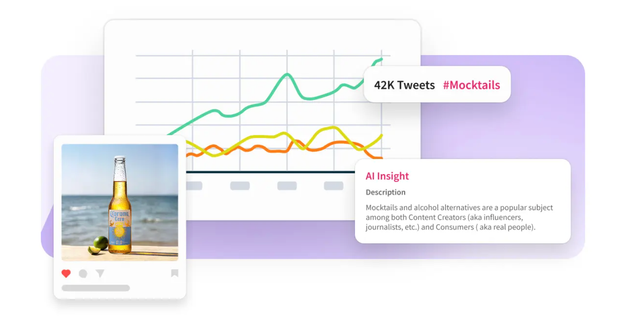
Predictive media intelligence gives marketing teams and content creators a strategic advantage by identifying emerging trends, stories, or potential crises before they peak. Unlike reactive monitoring, this approach uses data analysis to forecast what’s likely to capture audience attention next—allowing teams to plan content, campaigns, or responses proactively. The goal is to stay ahead of the curve without relying on guesswork or intuition alone.
For creators, this means being able to align content with upcoming conversations rather than chasing them after they’ve already gone viral. By analyzing patterns in media consumption, social chatter, and audience behavior, predictive tools help surface opportunities that might otherwise be missed. This is especially valuable in fast-moving niches where timing can make or break engagement.
The approach doesn’t require a crystal ball—just the right data and analytical framework. Marketing teams can use these insights to inform editorial calendars, adjust messaging, or prepare for potential reputational risks. For independent creators and small teams, adopting even basic predictive practices can level the playing field against larger competitors with more resources.
Ultimately, predictive media intelligence shifts content strategy from reactive to anticipatory. It empowers creators to make informed decisions about what to create, when to publish, and how to engage—turning uncertainty into opportunity. As digital landscapes evolve, this foresight isn’t just helpful; it’s becoming essential for sustained relevance and growth.
Join the conversation
Load Facebook comments to read and reply using your Facebook account.