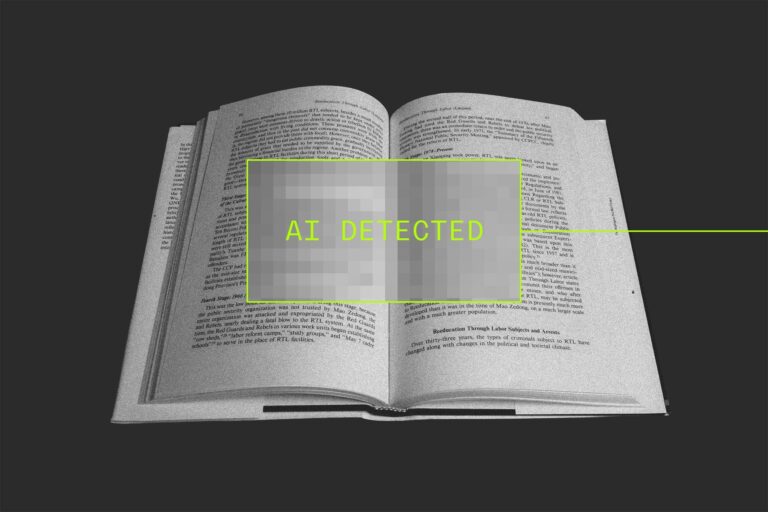
The Verge’s weekly Stepback newsletter recently highlighted a growing concern: AI detectors are ushering in a new era of distrust. According to the column, the rise of tools designed to identify machine‑generated text is changing how creators and platforms evaluate authenticity. This shift is prompting creators to question whether their work will be fairly judged or mistakenly flagged as artificial.
For many content creators, the core of their business hinges on trust—trust from audiences, brands, and the platforms that host their work. When detectors label human‑written material as AI‑produced, it can undermine credibility, affect sponsorship deals, and even lead to demonetization or reduced visibility. The newsletter notes that such false positives are becoming a tangible worry, especially as detection algorithms evolve without clear transparency about their error rates.
Creators are now faced with extra steps to prove authorship, ranging from maintaining detailed draft histories to using third‑party verification services. The Stepback suggests that the industry needs clearer standards and open communication from detector developers to prevent unnecessary suspicion. Without these measures, the very tools meant to safeguard integrity could instead erode the confidence creators rely on.
Looking ahead, the conversation around AI detection is likely to influence platform policies, monetization rules, and creator education efforts. Staying informed about how these technologies work—and advocating for fair, accountable practices—will be essential for anyone whose livelihood depends on original content. The Stepback’s latest installment serves as a reminder that, in the age of AI, maintaining trust requires vigilance from both creators and the tools they encounter.
Join the conversation
Load Facebook comments to read and reply using your Facebook account.
