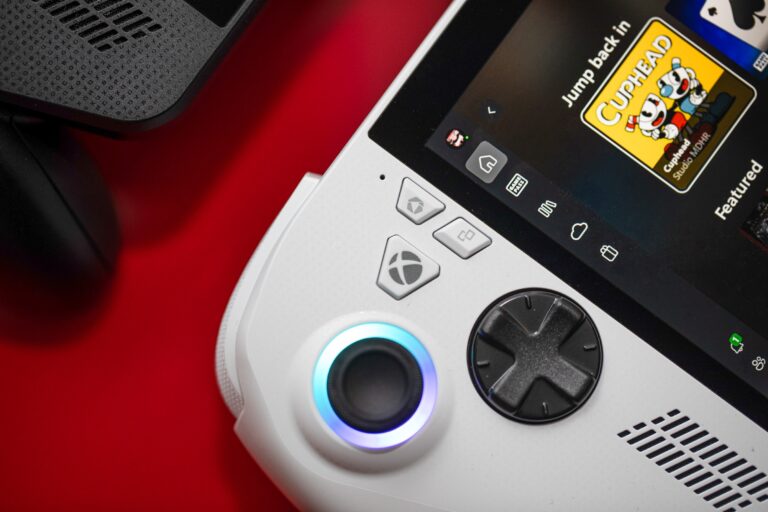
AMD has confirmed plans to bring its FSR 4 upscaling technology to handheld gaming devices by the end of 2026, according to consumer chip boss Jack Huynh. While FSR 4 is already functional on older handhelds like the Steam Deck through unofficial means, AMD previously reserved the right not to officially support the feature on legacy devices. This new commitment signals a shift toward broader accessibility for creators and gamers relying on portable systems.
The move addresses growing demand from content creators who use handhelds for game streaming, indie development testing, and on-the-go content capture. FSR 4’s AI-powered frame generation and upscaling can significantly improve performance without requiring hardware upgrades, making it valuable for creators aiming to maintain high frame rates in demanding titles. By officially supporting FSR 4 on select handhelds, AMD aims to enhance the user experience across its ecosystem.
Although specific device models and rollout timelines remain unspecified, the end-of-2026 target aligns with AMD’s broader strategy to extend FSR 4 adoption beyond high-end PCs. For creators, this means more consistent performance across platforms, reducing barriers to creating and sharing gaming content from portable devices. AMD’s renewed focus on handheld support reflects the rising importance of mobile and hybrid gaming in creator workflows.
The company has not disclosed which handhelds will receive official FSR 4 support, nor whether older models like the original Steam Deck will be included. However, the affirmation of future compatibility offers reassurance to creators invested in AMD-powered handhelds. As handheld gaming continues to grow, technologies like FSR 4 play a key role in enabling smooth, high-quality experiences without sacrificing portability.
AMD’s commitment underscores its responsiveness to creator and gamer feedback, particularly around performance optimization on existing hardware. By extending FSR 4 to handhelds, AMD strengthens its position in the competitive upscaling landscape while supporting the evolving needs of mobile-first content creators. Further details on supported devices and implementation are expected closer to the 2026 deadline.
Join the conversation
Load Facebook comments to read and reply using your Facebook account.