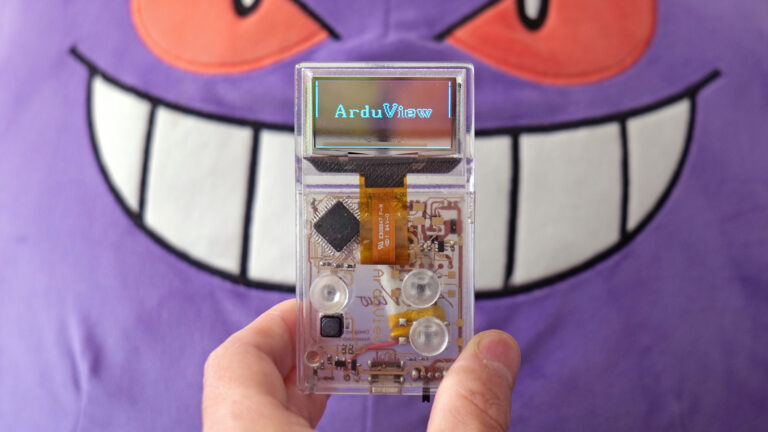
The Arduview gaming handheld has drawn attention for its striking visual design, featuring nearly every component in a see-through format. According to Engadget’s report dated November 3, 2026, the device embraces a fully translucent aesthetic that echoes the iconic look of late-90s and early-2000s gadgets—think Game Boy Colors, iMac G3s, and other cult-favorite electronics celebrated for their bold, colorful casings.
For content creators focused on retro tech, DIY modding, or nostalgic product storytelling, the Arduview offers a compelling case study in intentional design homage. Its transparent build isn’t just a visual gimmick; it reflects a broader trend among indie hardware makers who prioritize tactile, visually engaging products that stand out in digital feeds. By exposing internal circuitry, buttons, and screens through clear casing, the Arduview invites viewers to appreciate both form and function—a narrative goldmine for unboxing videos, teardown features, and design analysis content.
While the source does not detail specifications, pricing, or performance metrics, the emphasis on transparency opens creative avenues for creators to explore themes like craftsmanship, material honesty, and the emotional resonance of retro-futurism. Rather than competing on specs alone, the Arduview positions itself as a conversation piece—one that celebrates the joy of seeing how things work, much like the educational toys and clear-case gadgets that inspired a generation of tinkerers.
This approach aligns well with creator audiences interested in the intersection of design, play, and nostalgia. Whether used as a prop in thematic videos, a subject for comparative retro tech retrospectives, or inspiration for custom mod projects, the Arduview serves as a tangible reminder that innovation doesn’t always mean hiding complexity—sometimes, it means showcasing it proudly. For those building communities around maker culture or gaming history, it’s a fresh example of how restraint in specification disclosure can amplify focus on aesthetic and experiential value.
Ultimately, the Arduview isn’t positioned as a mainstream competitor but as a labor of love—a tribute that speaks directly to creators who value storytelling through objects. Its strength lies not in benchmarks, but in its ability to spark recognition, curiosity, and conversation around the devices we once loved to hold—and see through.
Join the conversation
Load Facebook comments to read and reply using your Facebook account.
