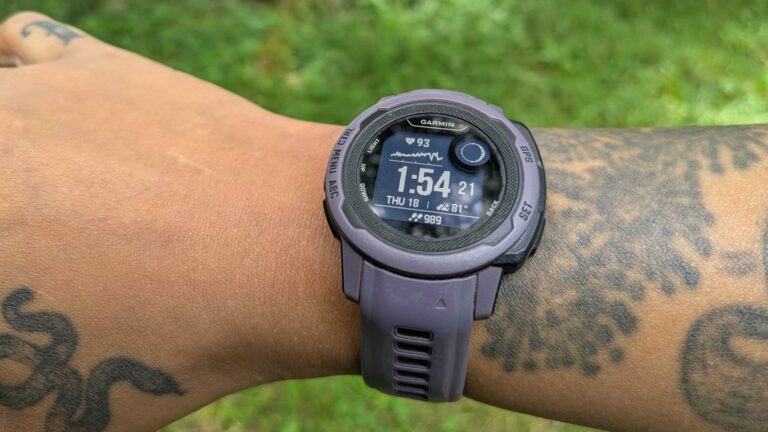
Fitness trackers remain popular tools for creators monitoring activity, sleep, and wellness—but tattoos can interfere with sensor performance. According to Engadget, the short answer is that trackers sometimes work with tattoos, but results are inconsistent and depend on multiple factors. The issue primarily affects optical heart rate sensors, which use light to detect blood flow beneath the skin.
Tattoo ink, especially darker or denser pigments, can absorb or scatter the light emitted by these sensors, leading to inaccurate readings or complete failure to detect a pulse. This doesn’t mean all tattooed users will experience problems—placement, ink color, and skin tone all play a role. Lighter ink or tattoos on areas with thinner skin and better sensor contact may cause fewer disruptions.
For creators who rely on consistent biometric data—such as those tracking workout intensity for content or managing health routines—this variability matters. Inaccurate heart rate data can affect calorie burn estimates, recovery insights, and training zone guidance. Engadget notes that while some users report no issues, others find their devices unusable on tattooed wrists.
The publication advises testing tracker placement on both tattooed and non-tattooed skin to compare results. Creators might consider wearing the device on the upper arm, forearm, or even the ankle if wrist placement proves unreliable. Ultimately, while tattoos don’t automatically disqualify someone from using a fitness tracker, understanding the potential limitations helps creators make informed choices about where and how they wear their devices.
Join the conversation
Load Facebook comments to read and reply using your Facebook account.
