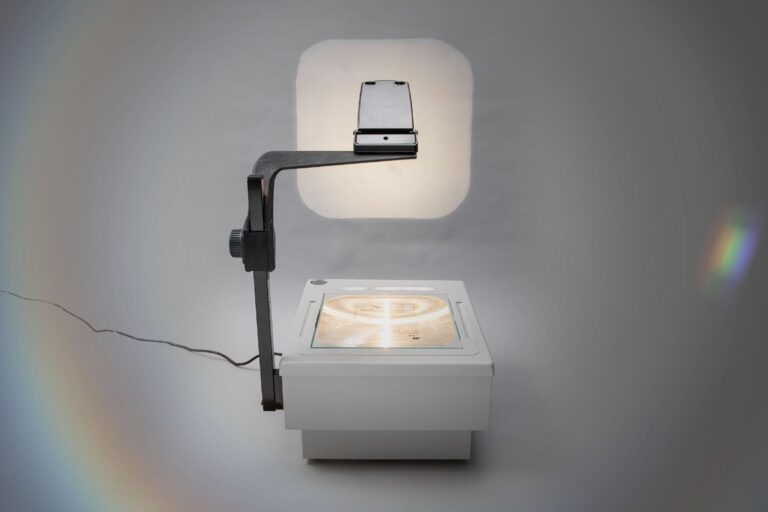
Long before interactive whiteboards and cloud-based presentation tools, the overhead projector quietly revolutionized how information was shared in classrooms. Originally developed for military training and briefings, this analog device made its way into schools during the mid-20th century, fundamentally altering the dynamics of teaching and learning. By allowing educators to face students while displaying transparent slides, it shifted the focus from chalkboard writing to visual, real-time instruction.
This transition had lasting implications beyond discipline—it introduced a new standard for visual communication in educational settings. Teachers could prepare lessons in advance using transparencies, reuse materials, and adapt content on the fly, laying early groundwork for the modular, visual-first approach now central to digital content creation. The overhead projector emphasized clarity, sequencing, and audience engagement—principles that still guide creators designing tutorials, webinars, and online courses today.
For modern creators, understanding this evolution offers valuable context. The shift from static chalkboard notes to projected visuals mirrors today’s move from text-heavy blogs to video-driven, visually rich content. Just as the overhead projector empowered educators to communicate more effectively, today’s tools—like screen recording software, slide decks, and teleprompters—enable creators to teach, demonstrate, and connect with audiences at scale.
The Verge’s exploration of this tech history reminds us that innovation in education often precedes broader cultural adoption. What began as a military tool became a classroom staple, then a precursor to the digital presentation ecosystems creators now rely on. Recognizing these lineage points helps creators appreciate not just the tools they use, but the pedagogical principles behind them—principles rooted in decades of visual teaching innovation.
Join the conversation
Load Facebook comments to read and reply using your Facebook account.
