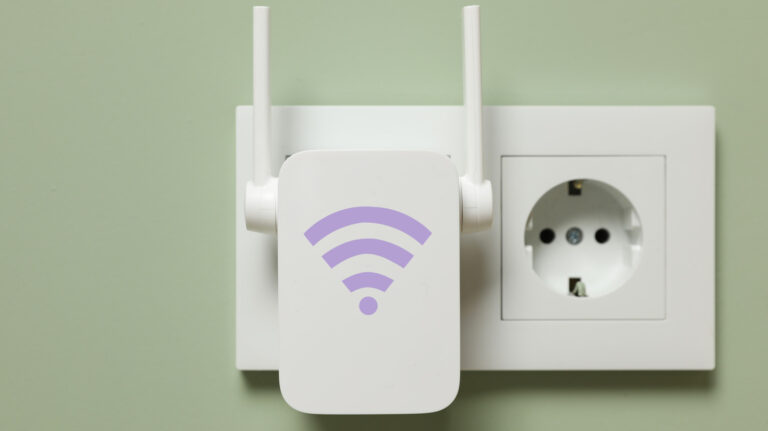
For content creators relying on stable internet for streaming, uploading, and collaboration, choosing the right home network solution is critical. While range extenders offer a low-cost way to boost signal in dead zones, they often create separate networks and can reduce bandwidth due to how they rebroadcast signals. This can lead to inconsistent performance during high-demand tasks like 4K video uploads or live broadcasts.
Mesh Wi-Fi systems, by contrast, use multiple nodes working together to create a single, seamless network. This ensures consistent coverage and better performance across larger homes or multi-room setups—common in creator studios where equipment is spread across spaces. Though typically more expensive upfront, mesh systems avoid the speed penalties and network fragmentation seen with extenders.
The Engadget summary highlights that while extenders are budget-friendly, their drawbacks—such as reduced throughput and complex handoffs between networks—can hinder creative workflows. For creators who prioritize reliability over initial cost, mesh Wi-Fi presents a stronger long-term investment. It supports multiple high-bandwidth devices simultaneously without sacrificing speed or stability.
Ultimately, the choice depends on your space, budget, and usage demands. If you're working in a small apartment with minimal interference, a well-placed extender might suffice. But for larger homes, basement studios, or setups with multiple 4K cameras, gaming rigs, or upload stations, mesh Wi-Fi delivers the consistent, creator-grade performance needed to stay productive in 2026.
Join the conversation
Load Facebook comments to read and reply using your Facebook account.
