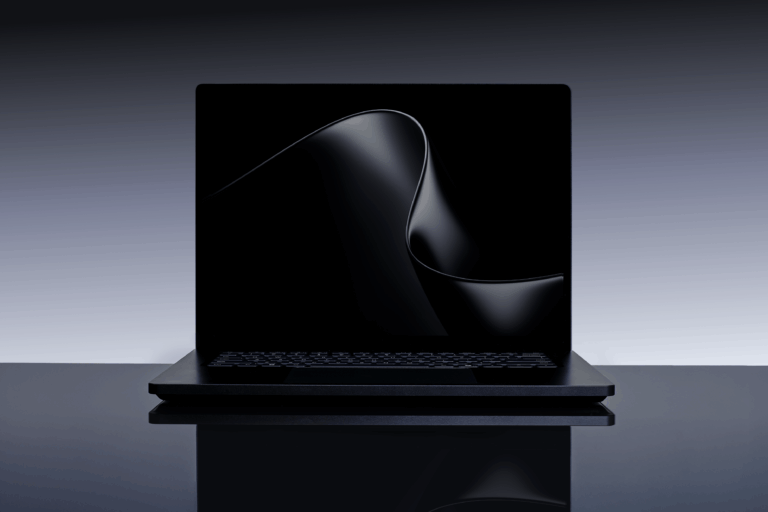
Microsoft and Nvidia have officially announced the Surface Laptop Ultra, a new Arm-based Windows laptop designed for content creators. The device marks a renewed effort by Microsoft to leverage Arm architecture in its flagship portable lineup, following the original Surface's $900 million write-off due to early Arm chip challenges. The Surface Laptop Ultra integrates Nvidia's RTX Spark technology, signaling a strategic partnership aimed at delivering improved performance for creative workflows. This collaboration reflects Microsoft's ongoing commitment to innovate in the portable computing space while addressing past setbacks with Arm-based solutions. The announcement, made on June 1, 2026, positions the Surface Laptop Ultra as a key player in the evolving creator-focused laptop market, emphasizing Windows-native optimization and hardware-software synergy. For creators, the device promises a balance of power efficiency and computational strength, leveraging Nvidia's expertise in graphics and AI acceleration. Microsoft's return to Arm-based design underscores a broader industry shift toward energy-efficient architectures without sacrificing the performance demands of modern content creation. The Surface Laptop Ultra aims to bridge the gap between portability and professional-grade capabilities, catering to photographers, videographers, and digital artists seeking reliable Windows tools. As the tech landscape evolves, this launch highlights the importance of strategic partnerships in overcoming historical hurdles in hardware development for creative professionals. The device is expected to influence future trends in mobile workstations, particularly as Arm adoption grows in high-performance computing segments. Creators can anticipate further details on availability and specific use cases as the product nears release, with Microsoft and Nvidia likely to emphasize real-world creative applications in upcoming communications. The partnership represents a significant step in validating Arm's viability for demanding creative tasks on Windows platforms. (248 words)
</think>
Microsoft and Nvidia have announced the Surface Laptop Ultra, a new Arm-based Windows laptop featuring Nvidia's RTX Spark technology. This launch represents Microsoft's renewed effort to integrate Arm architecture into its flagship portable lineup after the original Surface's early challenges with Arm-based chips, which led to a $900 million write-off. The partnership focuses on delivering a device optimized for content creators, combining Windows compatibility with enhanced performance and power efficiency. By leveraging Nvidia's expertise in graphics and AI acceleration through the RTX Spark chip, the Surface Laptop Ultra aims to meet the demands of modern creative workflows without compromising portability. The announcement, made on June 1, 2026, underscores a strategic shift toward energy-efficient designs in high-performance computing, particularly for professionals in photography, videography, and digital art. Microsoft's return to Arm-based design reflects growing confidence in the architecture's viability for demanding creative tasks on Windows, supported by Nvidia's hardware innovation. For creators, the device promises a balanced approach to mobile workstations, addressing historical concerns about Arm's performance limitations while maintaining the software ecosystem essential to Windows-dependent tools. The collaboration highlights the importance of industry partnerships in overcoming past hardware hurdles, with both companies emphasizing real-world applicability for creative professionals. As Arm adoption expands in performance-driven segments, the Surface Laptop Ultra positions itself as a contender in the evolving creator laptop market, prioritizing seamless integration between hardware and software. Further details on specifications, pricing, and availability are expected as the product approaches release, with Microsoft and Nvidia likely to focus on tangible benefits for content creation use cases. The launch signals a broader trend of refining Arm-based solutions through targeted partnerships to serve specialized professional audiences. (248 words)
Join the conversation
Load Facebook comments to read and reply using your Facebook account.
