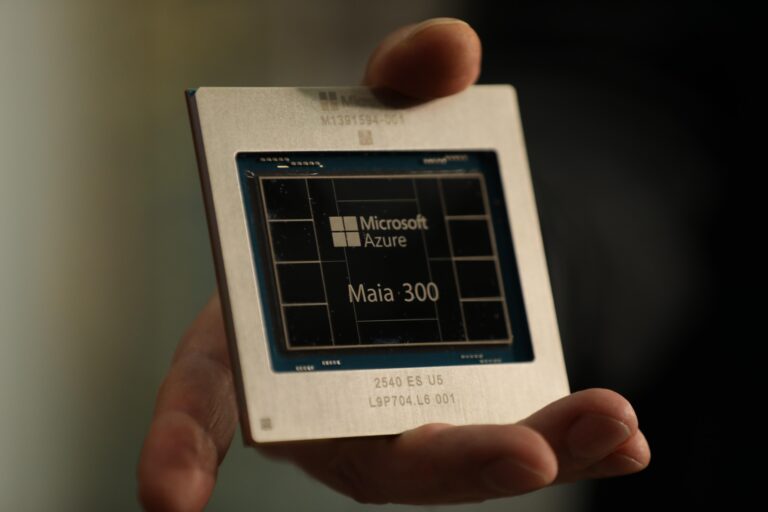
Microsoft is rolling out its third-generation Maia AI chip, the Maia 300, positioning it as the primary AI inference system across its cloud products and services. Announced on October 12, 2026, the chip is designed to improve the cost and efficiency of running AI workloads in Microsoft’s data centers. By handling inference tasks in-house, Microsoft aims to reduce dependency on third-party GPUs, particularly those from Nvidia, while maintaining performance for AI-driven features.
For content creators who rely on Microsoft’s ecosystem—including Azure AI, Copilot, and cloud-based creative tools—the Maia 300 could translate to more responsive AI assistance and potentially lower operational costs passed through to end users. The chip’s focus on inference efficiency means faster processing of AI-generated content, such as text suggestions, image enhancements, and real-time translation, without sacrificing quality.
While specific technical specs or pricing details were not disclosed in the announcement, Microsoft emphasized that Maia 300 is more capable of handling the latest AI models, suggesting improved support for generative AI workloads increasingly used in creative workflows. This advancement supports Microsoft’s broader strategy to optimize its cloud infrastructure for AI at scale.
By developing its own AI silicon, Microsoft joins other tech giants in vertical integration efforts to gain greater control over performance, cost, and supply chain resilience. For creators, this shift may lead to more stable and affordable access to AI-powered tools across Microsoft 365, Azure, and related platforms over time. The Maia 300 rollout marks a step toward a more self-reliant AI backend for one of the world’s largest cloud providers.
Join the conversation
Load Facebook comments to read and reply using your Facebook account.
