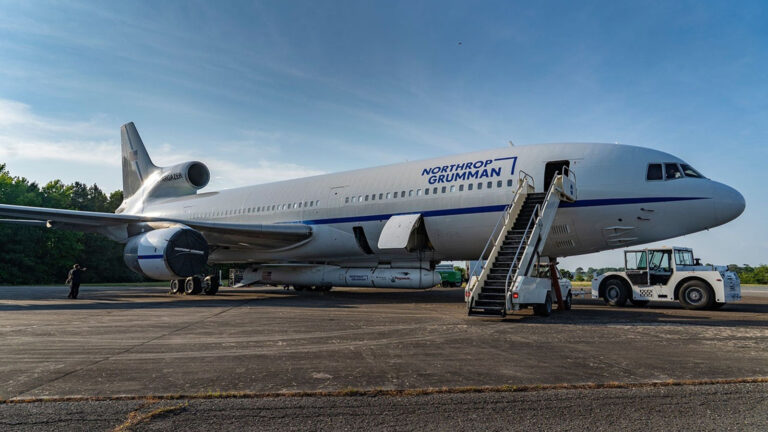
NASA is preparing to launch its Swift Boost mission later this month to intervene and rescue a space telescope that has begun losing altitude in orbit. The mission, designed as an on-orbit servicing effort, aims to stabilize the telescope’s trajectory and prevent an uncontrolled re-entry. While the specific telescope has not been named in the announcement, the operation underscores NASA’s growing focus on extending the lifespan of valuable space assets through robotic intervention.
The Swift Boost mission represents a strategic move to protect significant investments in space-based observatories. For content creators covering science, technology, and space exploration, this mission offers a timely narrative about the challenges of maintaining infrastructure in low Earth orbit and the innovative solutions being developed to address orbital decay. It highlights the intersection of aerospace engineering and mission sustainability.
By deploying a propulsion-assisted boost, NASA hopes to raise the telescope’s orbit sufficiently to allow for continued scientific operations or a safe, controlled decommissioning at a later date. The effort reflects broader trends in space logistics, including the rise of in-orbit servicing, refueling, and debris mitigation technologies. These capabilities are becoming increasingly vital as the number of active satellites and telescopes in orbit continues to grow.
For creators, the mission provides a compelling case study in real-time problem-solving in space — one that blends engineering precision with long-term scientific planning. As launch preparations proceed, updates from NASA will likely offer visual and technical material suitable for explainers, documentaries, and educational content focused on space operations and future-proofing orbital assets.
Join the conversation
Load Facebook comments to read and reply using your Facebook account.
