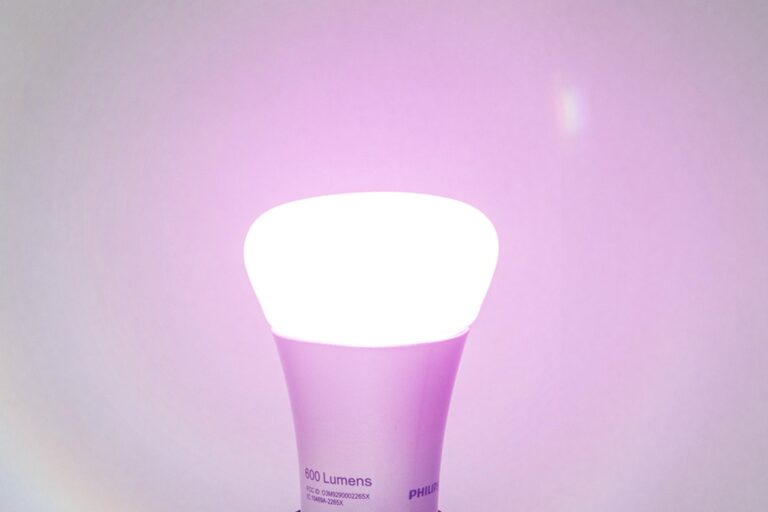
The smart home landscape has long been a source of frustration for consumers, with promises of seamless integration often falling short. However, Philips Hue stands out as a beacon of what a smart home system should be. According to recent discussions, Hue has successfully implemented features that many other devices still struggle with, such as easy control from anywhere and adaptive spaces.
The ideal smart home allows users to control everything from everywhere, and Philips Hue enables this through its connected lighting system. Spaces can adapt to your activities and moods, whether you're working, relaxing, or entertaining. Importantly, this doesn't require a full renovation, making it accessible for renters and homeowners alike. This approach underscores the importance of user-friendly design in smart home technology.
For content creators, lighting is a crucial element of production. Philips Hue offers a versatile tool for setting the right ambiance for videos, streams, or photo shoots. With the ability to control brightness and color from a phone or voice assistant, creators can enhance their content without investing in expensive studio equipment. The system's adaptability means it can transition from a productivity-focused workspace to a creative environment with ease.
This success highlights a broader lesson for the smart home industry: focusing on practical, intuitive features over complexity. Philips Hue demonstrates that when a device works seamlessly within a user's lifestyle, it achieves greater adoption and satisfaction. For creators, investing in such technology can streamline their workflow and improve the quality of their output.
As the smart home continues to evolve, Philips Hue remains a key example of how to build a product that truly enhances daily life. Content creators looking to improve their environment should consider the lessons Hue offers in simplicity and functionality.
Join the conversation
Load Facebook comments to read and reply using your Facebook account.
