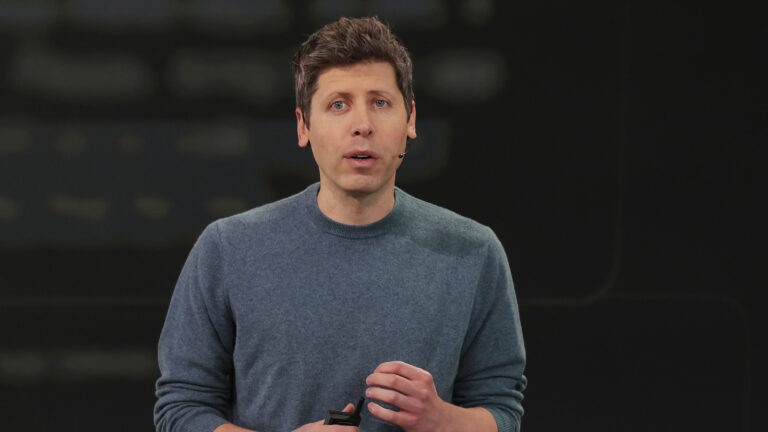
In a recent interview, OpenAI CEO Sam Altman expressed concern over how individuals manage their computer memory, calling it “terrible” for people to hoard large amounts of DRAM that they rarely use. His comments highlight growing awareness around the finite nature of global semiconductor resources, particularly dynamic random-access memory (DRAM), which remains critical for everything from personal computers to AI infrastructure. While the interview did not specify exact usage thresholds or propose regulations, Altman’s remarks underscore a broader conversation about responsible consumption in the tech ecosystem. For content creators who rely on high-performance machines for video editing, 3D rendering, or software development, the statement invites reflection on balancing performance needs with resource awareness. As demand for memory-intensive applications grows alongside AI advancements, efficiency in hardware utilization may become increasingly relevant—not just for cost savings, but for sustaining equitable access to critical components. The discussion also touches on the environmental and supply chain implications of overprovisioning consumer devices, especially when global DRAM production faces periodic bottlenecks due to manufacturing complexity and geopolitical factors. Though Altman did not accuse creators of wrongdoing, his framing encourages a mindset shift toward mindful upgrades and optimized workflows rather than defaulting to maximum specifications. Creators working with cloud-based tools or modular systems may already be mitigating local hardware strain, but the commentary serves as a reminder that individual choices can collectively impact resource availability. Moving forward, conversations like this could influence how manufacturers, developers, and users approach hardware design—prioritizing scalability, reuse, and efficiency without compromising creative output. Ultimately, the focus isn’t on restricting innovation, but on aligning personal tech habits with the realities of a shared, constrained supply chain. As the creator economy continues to expand, such perspectives may help shape more sustainable practices across the industry.
Join the conversation
Load Facebook comments to read and reply using your Facebook account.
