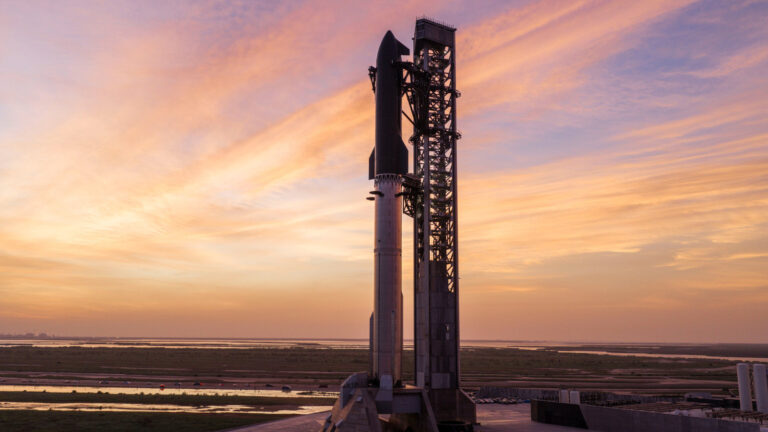
On July 24, 2026, SpaceX conducted its 13th Starship flight test, launching from its Texas facility. The mission’s payload consisted of 20 V3 Starlink satellites, described by the company as the next generation of its broadband constellation. This flight marks another step in SpaceX’s iterative test program aimed at refining the Starship launch system while delivering operational satellites to orbit.
The V3 Starlink satellites are positioned as an upgrade to the existing network, promising improved capacity and coverage. While the source does not disclose specific performance figures, the designation “next‑gen” indicates that these units are intended to enhance the overall capability of the Starlink system, potentially offering higher throughput and more reliable service across wider geographic areas.
For content creators, a more robust Starlink network can translate into better internet reliability for remote production workflows. Creators who rely on live streaming, cloud‑based editing, or collaborative tools may benefit from reduced downtime and more consistent connectivity, especially in regions where terrestrial infrastructure is limited. The addition of 20 new satellites contributes to the gradual densification of the constellation, which could help alleviate congestion during peak usage periods.
SpaceX’s continued integration of satellite deployment into Starship test flights demonstrates a dual‑use strategy: advancing launch vehicle maturity while expanding the Starlink footprint. As the constellation grows, creators worldwide may see incremental improvements in the ability to upload high‑resolution video, engage with audiences in real time, and access cloud services without reliance on traditional ISPs. The 13th flight thus represents both a technical milestone for SpaceX and a potential enabler for the creator economy.
Join the conversation
Load Facebook comments to read and reply using your Facebook account.
