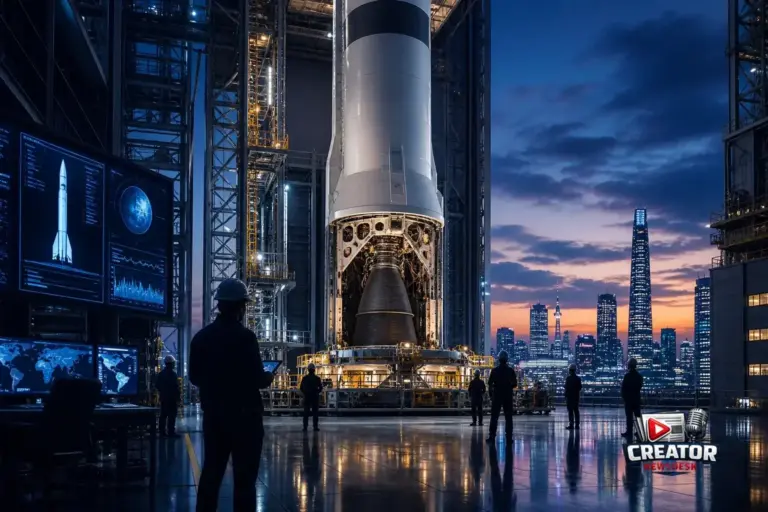
Seoul-based rocket startup Unastella has successfully raised $24 million in funding to advance its development of indigenous launch vehicles and rocket engines. The company, which operates from its home base in Seoul, is focused on building South Korea’s domestic capabilities in space access technology. This investment marks a significant step forward for the nation’s growing private space sector, which has seen increased government support and private investment in recent years. Unastella’s mission centers on creating reliable, cost-effective launch solutions tailored for small satellite deployment—a critical need in the expanding global space economy. The funding will primarily support engine testing, vehicle design iterations, and infrastructure development at its Seoul facilities. By prioritizing homegrown technology, Unastella aims to reduce reliance on foreign launch providers and strengthen South Korea’s position in the global space supply chain. The startup’s progress reflects broader trends in Asia’s space industry, where nations are increasingly investing in sovereign launch capabilities to support commercial, scientific, and defense applications. For content creators in the tech and space sectors, Unastella’s journey offers a compelling case study in innovation under constraints, demonstrating how targeted funding can drive meaningful progress in high-barrier industries. The company’s commitment to developing core technologies domestically highlights the importance of self-reliance in critical tech sectors—a narrative that resonates with creators building independent platforms or tools. As Unastella moves forward with its development roadmap, its success could inspire similar entrepreneurial efforts across the region, reinforcing the value of persistent, locally rooted innovation in advancing national technological sovereignty. This funding round not only fuels Unastella’s immediate goals but also contributes to the long-term vision of a resilient, innovative South Korean space ecosystem capable of competing on the world stage.
</think>
Seoul-based rocket startup Unastella has successfully raised $24 million in funding to advance its development of indigenous launch vehicles and rocket engines. The company, which operates from its home base in Seoul, is focused on building South Korea’s domestic capabilities in space access technology. This investment marks a significant step forward for the nation’s growing private space sector, which has seen increased government support and private investment in recent years. Unastella’s mission centers on creating reliable, cost-effective launch solutions tailored for small satellite deployment—a critical need in the expanding global space economy. The funding will primarily support engine testing, vehicle design iterations, and infrastructure development at its Seoul facilities. By prioritizing homegrown technology, Unastella aims to reduce reliance on foreign launch providers and strengthen South Korea’s position in the global space supply chain. The startup’s progress reflects broader trends in Asia’s space industry, where nations are increasingly investing in sovereign launch capabilities to support commercial, scientific, and defense applications. For content creators in the tech and space sectors, Unastella’s journey offers a compelling case study in innovation under constraints, demonstrating how targeted funding can drive meaningful progress in high-barrier industries. The company’s commitment to developing core technologies domestically highlights the importance of self-reliance in critical tech sectors—a narrative that resonates with creators building independent platforms or tools. As Unastella moves forward with its development roadmap, its success could inspire similar entrepreneurial efforts across the region, reinforcing the value of persistent, locally rooted innovation in advancing national technological sovereignty. This funding round not only fuels Unastella’s immediate goals but also contributes to the long-term vision of a resilient, innovative South Korean space ecosystem capable of competing on the world stage.
Join the conversation
Load Facebook comments to read and reply using your Facebook account.
