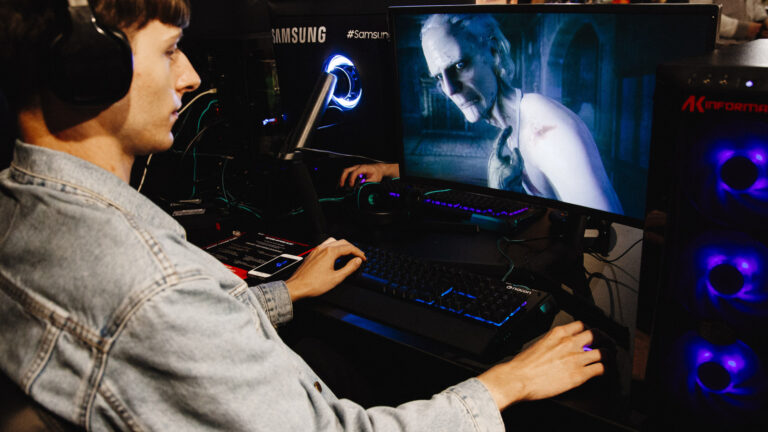
While chasing high frame rates is tempting, limiting FPS in games can actually benefit content creators in specific scenarios. According to Engadget’s October 18, 2026 report, there are practical reasons to cap your GPU’s frame output rather than always pushing for maximum performance. One key scenario is when streaming or recording gameplay—consistent, lower frame rates can reduce encoding strain and prevent dropped frames during live broadcasts.
Another situation where limiting FPS makes sense is when using variable refresh rate (VRR) technologies like G-Sync or FreeSync. If your FPS frequently exceeds your monitor’s refresh rate, capping it just below that threshold can eliminate screen tearing and improve visual stability without sacrificing responsiveness. This creates a smoother experience for both gameplay and capture.
Thermal management is also a factor. Sustained high FPS can push GPUs to their limits, increasing heat and power draw. By limiting FPS, creators can maintain cooler system temperatures during long recording sessions, reducing the risk of thermal throttling and hardware wear over time.
Additionally, in competitive or precision-driven games, some players prefer a stable frame rate over fluctuating high numbers. Consistency helps with muscle memory and predictable input response—valuable traits when creating tutorial content or esports highlights.
Ultimately, the decision to limit FPS isn’t about sacrificing performance—it’s about optimizing your setup for reliability, efficiency, and creative output. Creators should test different caps based on their monitor, software, and workflow to find the sweet spot that balances visual quality with system stability.
Join the conversation
Load Facebook comments to read and reply using your Facebook account.
