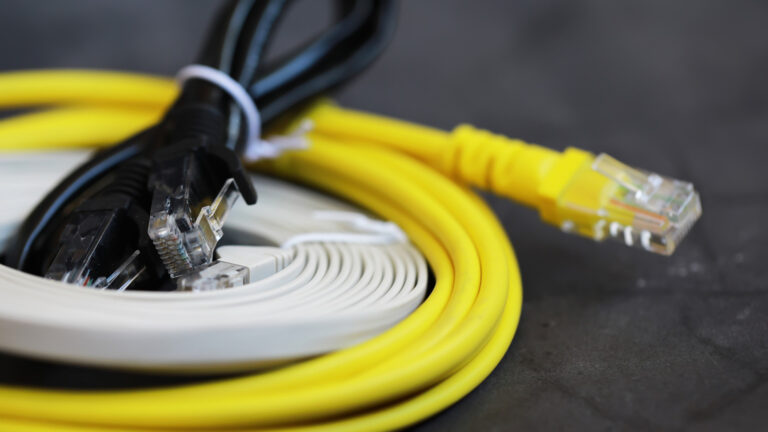
For content creators who depend on reliable internet for high-bandwidth tasks like 4K video editing, live streaming, or large file transfers, understanding the basics of your gear can make a real difference. One often-overlooked detail? The twisted pairs inside every Ethernet cable. According to Engadget’s October 24, 2026 explanation, this design isn’t arbitrary — it’s a proven method to combat electromagnetic interference (EMI).
Inside standard Ethernet cables, eight copper wires are arranged into four twisted pairs. Each pair is twisted at a specific rate to cancel out external noise from nearby power cables, motors, or other electronics. Without this twisting, signals would degrade, leading to packet loss, lag, or dropped connections — issues that can ruin a live stream or corrupt a render upload.
The twist works by ensuring both wires in a pair experience nearly identical interference. When the noise affects both equally, the receiving end can subtract it out, leaving only the clean data signal. This principle, known as differential signaling, is what allows Ethernet to maintain gigabit speeds over long distances in electrically noisy environments like studios or home offices filled with gear.
Creators using PoE (Power over Ethernet) for cameras, lights, or monitors benefit especially — twisted pairs help preserve both data integrity and power delivery efficiency. While Cat6 and Cat6a cables use tighter twists for higher frequencies, even basic Cat5e relies on this foundational technique. Knowing why your cable is built this way helps you troubleshoot smarter and choose upgrades confidently — no jargon required, just better performance when it counts.
Join the conversation
Load Facebook comments to read and reply using your Facebook account.
