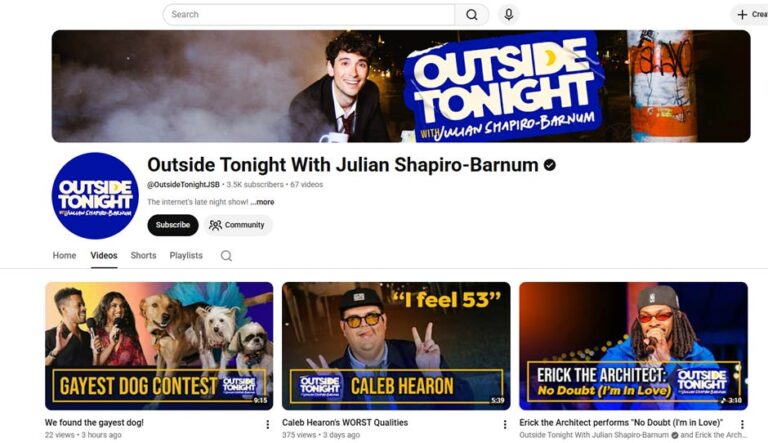
The question of whether a traditional late-night show can succeed solely on YouTube is gaining traction among creators and media analysts. As legacy formats face declining TV ratings, some are testing digital-first strategies to reach younger, on-demand audiences. YouTube offers global reach, algorithmic discovery, and direct creator-audience interaction—advantages traditional broadcast lacks. However, challenges remain, including monetization pressures, content ID risks, and the difficulty of sustaining nightly topical humor without a live studio audience or network promotional support.
For content creators, this shift underscores a broader trend: adapting broadcast-era formats for algorithm-driven platforms. Success hinges on repurposing strengths—like host chemistry and satirical writing—while embracing YouTube’s native tools, such as Shorts for punchlines and community posts for engagement. Creators must also navigate copyright carefully when using clips or music, a common pain point in comedy remix culture.
Meanwhile, Hollywood studios are quietly integrating AI into production pipelines, according to industry reports. While not detailed in the source, this suggests AI is being used for tasks like script analysis, visual effects rendering, and localization—often behind the scenes to cut costs and speed workflows. For creators, this signals both opportunity and caution: AI tools can enhance productivity, but overreliance risks diluting authentic voice.
The convergence of these trends points to a reshaped entertainment landscape. Creators who understand both platform dynamics and emerging tech will be best positioned to innovate—whether reinventing late night or leveraging AI ethically. The future isn’t just about where content airs, but how it’s made, shared, and sustained in a fragmented, creator-led media ecosystem. Staying informed on these shifts is key to long-term relevance.
Join the conversation
Load Facebook comments to read and reply using your Facebook account.
