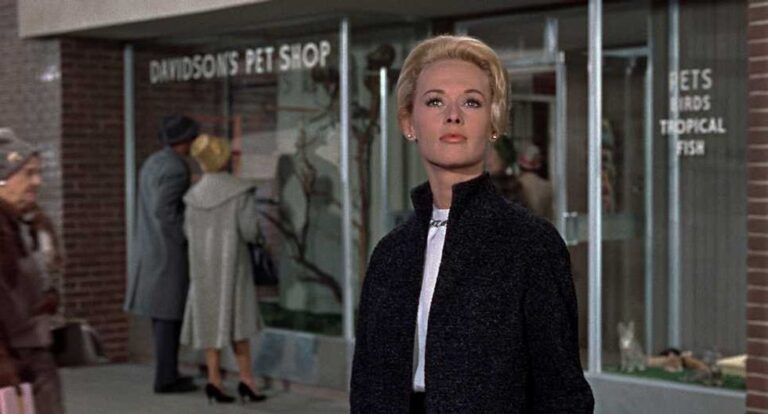
Alfred Hitchcock didn’t just cast blondes—he weaponized their presence on screen to evoke tension, desire, and psychological unease. As noted in a recent reflection from No Film School dated October 23, 2026, the director’s recurring use of fair-haired leading ladies wasn’t merely aesthetic; it tapped into a deeper visual language that resonated with audiences on an instinctive level. This approach, often discussed in relation to the “male gaze,” goes beyond surface interpretation, revealing how Hitchcock manipulated perception through lighting, framing, and performance to create emotional dissonance. For modern content creators, understanding this technique offers more than film history—it provides a masterclass in visual subtext. By studying how Hitchcock used hair color, costume, and camera movement to signal innocence, danger, or deception, today’s videographers and editors can apply similar principles to thumbnails, narrative shorts, or branded content. The choice of a subject’s appearance—whether in wardrobe, color palette, or styling—can silently guide viewer emotion before a single line of dialogue is spoken. In an era where attention spans are short and visual impact is paramount, Hitchcock’s blondes serve as a reminder that every frame carries psychological weight. Creators working in YouTube essays, indie films, or commercial storytelling can borrow from his precision: not to replicate tropes, but to understand how visual cues shape audience psychology. Revisiting these choices isn’t about nostalgia—it’s about refining one’s ability to communicate meaning through image alone. As the source suggests, the stir Hitchcock provoked wasn’t accidental. It was engineered. And for today’s visual storytellers, that engine still runs.
Join the conversation
Load Facebook comments to read and reply using your Facebook account.
