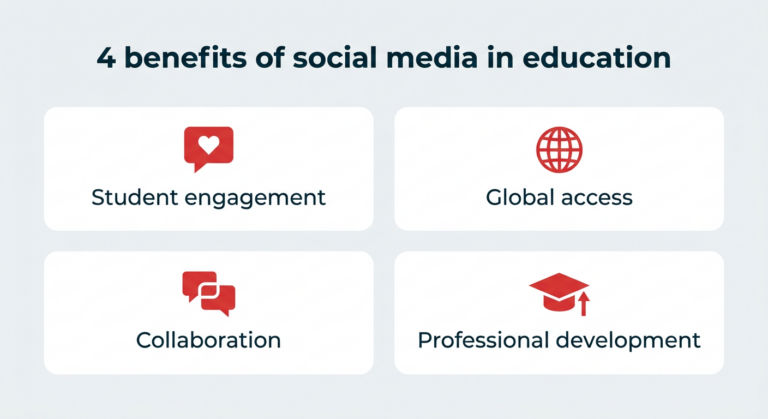
As social media continues to reshape educational outreach, content creators in the edtech space are finding new ways to engage learners while navigating growing compliance demands. A recent Hootsuite blog post highlights both the opportunities and risks of integrating platforms like Instagram, TikTok, and YouTube into teaching strategies for 2026. With attention spans shifting and digital fluency rising, educators are leveraging short-form video, live Q&As, and community groups to deepen student interaction beyond the classroom.
The article outlines 10 practical tips designed to help creators maximize impact without compromising safety or institutional policies. These include establishing clear content guidelines, using platform-specific analytics to measure reach, and aligning posts with curriculum goals. Emphasis is also placed on accessibility—ensuring captions, alt text, and multilingual options support diverse learners. For creators building educational brands, these practices not only improve effectiveness but also strengthen trust with schools, parents, and administrators.
Compliance remains a central concern, particularly around student privacy, data protection, and age-appropriate content. Hootsuite’s summary underscores the importance of understanding FERPA, COPPA, and emerging 2026 platform policies when publishing educational material. Creators are advised to secure proper permissions, avoid sharing identifiable student information, and utilize closed or school-managed groups where possible. Staying informed about evolving regulations helps prevent costly missteps while maintaining creative freedom.
Looking ahead, benchmarks for 2026 suggest a continued rise in hybrid learning models that blend traditional instruction with social-driven microlearning. Creators who adapt early—by mastering platform algorithms, fostering authentic engagement, and prioritizing ethical sharing—will be best positioned to lead in this evolving landscape. The fusion of education and social media isn’t just about visibility; it’s about building meaningful, scalable learning experiences that meet students where they already are.
Join the conversation
Load Facebook comments to read and reply using your Facebook account.
