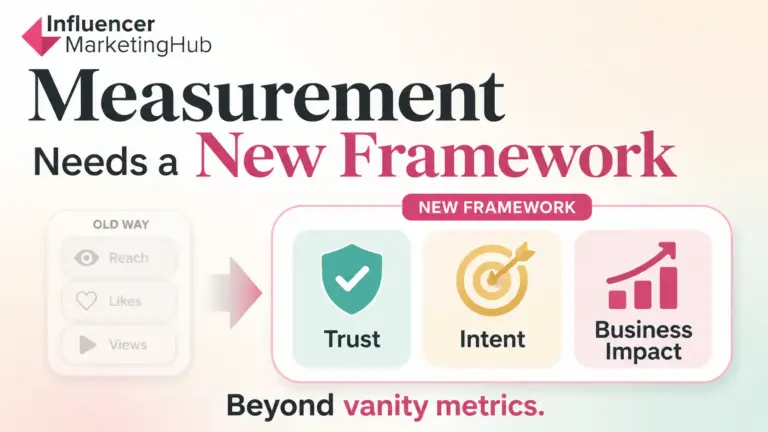
The conversation around how influencer marketing performance is tracked is gaining renewed attention as the industry looks toward 2026. According to Influencer Marketing Hub, the current ways brands and creators assess campaign impact are insufficient and a new measurement framework is needed. This signal suggests that creators should prepare for shifts in how success is defined and reported by partners and platforms.
For creators who rely on sponsorship income, any change in measurement standards could directly affect contract negotiations. If brands adopt stricter or different metrics—such as emphasizing long‑term audience sentiment over short‑term view counts—creators may need to adjust the data they provide in pitches and performance reports. Staying informed about emerging frameworks will help creators align their reporting with partner expectations and avoid mismatches that could jeopardize deals.
Legal risk is another area to watch. Misaligned or outdated measurement practices can lead to disputes over whether promised deliverables were met. A new framework that introduces clearer, standardized criteria could reduce ambiguity, but only if creators understand and comply with the updated requirements. Proactively reviewing contract clauses related to reporting and verification can mitigate potential liabilities.
Platform policies often evolve in response to industry measurement trends. If major social networks begin to prioritize certain metrics—like engagement quality or conversion tracking—creators may see changes in algorithmic visibility or monetization eligibility. Keeping an eye on platform announcements tied to measurement updates will allow creators to adapt their content strategies before any unintended impact on reach or revenue occurs.
Finally, audience trust hinges on transparency. When creators consistently use reliable, agreed‑upon methods to show campaign results, followers are more likely to perceive sponsored content as authentic. Embracing a measurement approach that emphasizes honesty and verifiable outcomes can strengthen that trust, which in turn supports long‑term creator sustainability in an increasingly scrutinized market.
Join the conversation
Load Facebook comments to read and reply using your Facebook account.