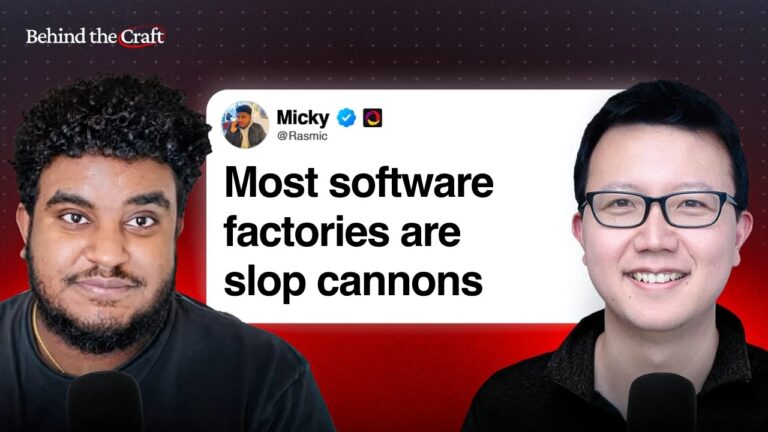
Micky Shimeles, a creator and technologist in the AI space, has outlined a practical 4-step agentic engineering workflow designed to help developers and creators ship real-world applications powered by AI agents. In a recent 47-minute video shared via the Creator Economy platform, Shimeles walks through his proven method for building, testing, and deploying AI agents that don’t just simulate intelligence but demonstrate verifiable, task-oriented behavior. The workflow emphasizes accountability and transparency, ensuring agents can prove their work at each stage.
Central to Shimeles’ approach is the integration of open-source skills and tools that enable agents to operate with traceability and reliability. Rather than treating AI agents as black boxes, his framework encourages creators to instrument their agents so they can log decisions, justify actions, and recover from errors—key traits for production-grade applications. This focus on explainability and auditability addresses a growing concern in the AI agent space: how to trust autonomous systems in real-user environments.
The workflow is particularly relevant for content creators and indie developers looking to incorporate AI into their products without relying solely on closed platforms or proprietary APIs. By leveraging open-source components, Shimeles’ method lowers the barrier to entry while promoting community collaboration and continuous improvement. He highlights specific tools and patterns that support modular agent design, memory management, and tool use—core competencies for agents that must perform complex, multi-step tasks.
Shimeles’ presentation doesn’t just theorize; it’s grounded in the experience of shipping actual applications. He shares insights into common pitfalls, such as over-reliance on prompt engineering without robust orchestration, and how his 4-step process mitigates these risks through structured iteration. The emphasis is on shipping early, observing agent behavior in context, and refining based on observable outcomes rather than assumptions.
For creators navigating the fast-evolving landscape of AI agents, Shimeles’ workflow offers a disciplined, accessible path forward. It bridges the gap between experimental AI demos and dependable, user-facing software—providing a clear roadmap for those who want to build not just clever agents, but capable, responsible ones. As AI agents move from novelty to utility, frameworks like this will be essential for sustainable innovation in the creator economy.
Join the conversation
Load Facebook comments to read and reply using your Facebook account.