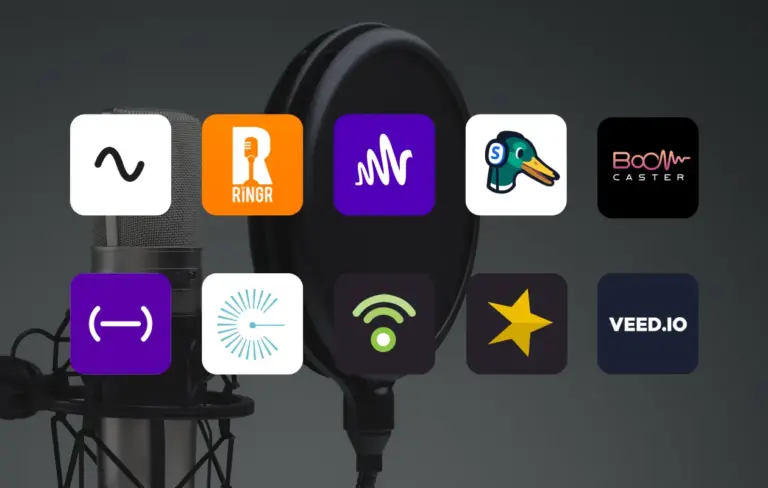
Remote podcast recording has become essential for creators aiming to produce high-quality content without geographical limits. As collaboration across time zones grows, choosing the right software ensures clear audio, reliable sync, and seamless post-production. The latest guide from Riverside highlights eight standout tools designed to meet these demands, offering both free and paid solutions for podcasters at every level.
These platforms prioritize local recording of each participant’s audio and video, minimizing issues like lag or compression artifacts common in standard video calls. By capturing studio-quality tracks individually, creators gain greater control during editing, leading to a more polished final product. Features such as automatic backup, noise reduction, and multi-track export are increasingly standard across the recommended tools.
For emerging creators, free tiers provide accessible entry points with core functionality, while paid plans unlock advanced capabilities like live streaming, transcription, and team collaboration. The focus remains on simplicity and reliability — key factors when recording remotely under varying internet conditions.
Riverside’s overview emphasizes that the best software adapts to creator workflows, whether producing solo shows, interview-based series, or multi-host discussions. Compatibility with major editing platforms and support for various file formats further enhance usability.
As podcasting continues to evolve in 2026, investing in the right remote recording setup is no longer optional — it’s a competitive advantage. Creators who prioritize audio fidelity and production efficiency are better positioned to grow their audience and maintain listener trust in an increasingly crowded space.
Join the conversation
Load Facebook comments to read and reply using your Facebook account.
