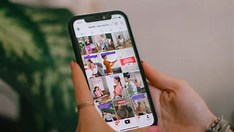
A July 4, 2026 article from AOL highlights ten reasons why users should not rely on medical or legal guidance found on TikTok. While the platform continues to grow as a hub for entertainment and short‑form video, the piece warns that advice shared there often lacks the credentials and oversight required for reliable health or legal information.
For creators, this serves as a cautionary note about the potential pitfalls of offering such guidance in their own content. Sharing unverified medical suggestions can inadvertently spread misinformation, possibly leading to harm for viewers who act on those tips. Likewise, dispensing legal opinions without proper qualifications may expose creators to liability claims or disputes, especially if followers rely on the advice and experience negative outcomes.
The AOL summary also points out that TikTok’s rapid‑fire format makes it difficult to convey nuanced context, increasing the chance that complex topics are oversimplified or taken out of context. Creators who venture into these areas risk damaging their credibility, as audiences may lose trust when they discover the information is inaccurate or incomplete.
Platform policies further complicate the matter. TikTok’s community guidelines discourage the dissemination of unverified health claims and could result in content removal or account restrictions for repeated violations. Creators who ignore these rules may see reduced reach, demonetization, or even suspension, directly affecting their ability to monetize their work.
Ultimately, the article reinforces the idea that creators should stick to topics within their expertise and encourage viewers to seek professional counsel for medical or legal matters. By focusing on safe, entertaining, and informative content that does not overstep professional boundaries, creators can protect both their audience and their own brand reputation while still thriving on TikTok.
Join the conversation
Load Facebook comments to read and reply using your Facebook account.