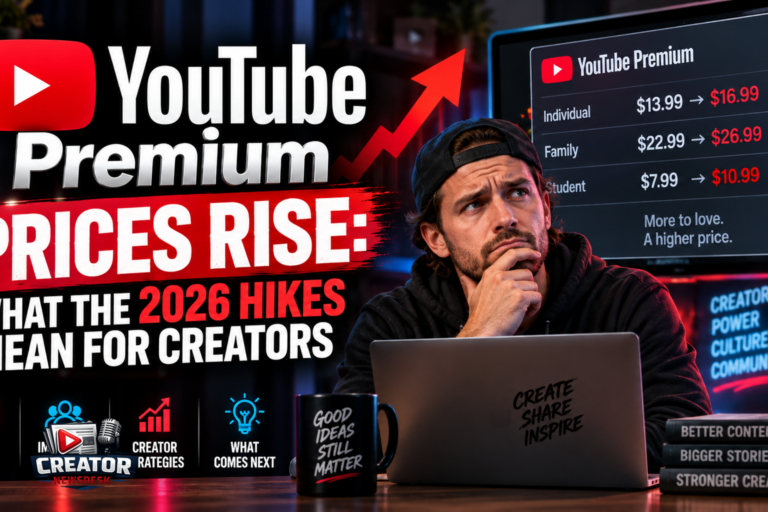
YouTube raised prices across its Premium subscription tiers in 2026, the first increase since 2023. In the United States, the changes took effect with June billing cycles: the individual plan rose $2 to $15.99 per month, the family plan rose $4 to $26.99 per month, Premium Lite rose $1 to $8.99, and the Music Premium tier rose $1 to $11.99. The annual individual plan increased $20 to $159.99 per year. The student plan moved from $7.99 to $8.99 with the same verification requirements.
The increases extend well beyond the United States. In the Philippines, individual Premium now costs PHP 189 per month, family costs PHP 379 for up to six accounts, and student costs PHP 115. YouTube introduced a Premium Lite tier in the Philippines at PHP 109 per month, offering mostly ad-free viewing without YouTube Music, offline downloads or background play. In Israel, the individual plan rises from 23.90 to 29.90 ILS per month starting October 15, 2026, ending a pricing structure the country had held since 2019. YouTube raised rates across Europe and Asia in August as part of the same international rollout.
The Lite tier’s story matters for context. Back in February 2026, YouTube added background play and offline downloads to Premium Lite at no extra cost, features that made the cheaper plan considerably more attractive. The June price increase effectively repriced those additions, a sequence some coverage noted with skepticism. YouTube’s stated rationale for the hikes is continued investment in features and support for the creators and artists subscribers watch.
For creators, the direct line is Premium revenue. A share of every Premium subscription flows to creators based on Premium members’ watch time, so a larger and more expensive subscriber base grows the pool that funds creator payouts. The expanding Lite tier also pulls more viewers into ad-free viewing, which shifts their watch time from ad-supported to Premium-shared revenue. The practical move is to check the Premium versus ad-supported split in YouTube Analytics and treat Premium-heavy audiences as a distinct segment worth programming for, since their viewing pays through a different, and currently growing, stream.
Join the conversation
Load Facebook comments to read and reply using your Facebook account.