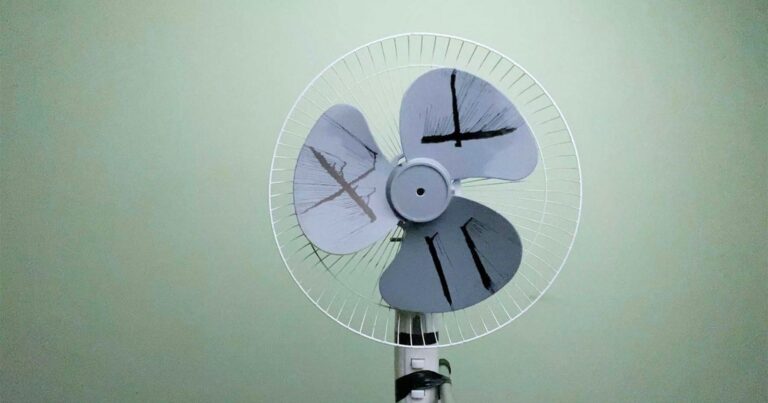
A simple yet striking photography experiment by a YouTuber has captured widespread attention, surpassing one million views within just a few days of posting. The creator synced their camera’s shutter speed with the rotation of a household fan, effectively freezing the spinning blades in mid-air—a visual illusion that makes motion appear halted. The result is a crisp, surreal image where the fan seems completely still despite operating at full speed.
The technique relies on precise timing: matching the camera’s frame rate or shutter interval to the fan’s rotational frequency so each blade is captured in the same position across frames. This stroboscopic effect, while rooted in basic physics, produces a compelling visual that’s easy to replicate with common gear. No specialized equipment was mentioned in the original post, emphasizing accessibility for creators using smartphones or entry-level cameras.
The video’s rapid rise in views highlights audience fascination with clever, low-barrier experiments that blend science and art. For content creators, it underscores the power of demonstrating scientific principles through visually engaging, DIY-style projects. Such content often performs well because it’s educational, shareable, and requires minimal investment—ideal for building authority and engagement in niches like photography, physics, or maker culture.
While the original source didn’t disclose the creator’s name, platform, or exact posting date beyond the recent surge, the timing aligns with growing interest in in-camera effects over post-production fixes. Trends show creators increasingly favor techniques achievable during shooting, especially when they yield surprising results with everyday objects. This experiment fits that mold perfectly.
As of October 30, 2026, the video continues to gain traction, serving as a reminder that innovation in content doesn’t always require advanced tools. Sometimes, all it takes is a fan, a camera, and an understanding of timing—and a willingness to try something playful. For creators looking to stand out, revisiting classic optical illusions with modern presentation can still yield fresh, viral-worthy outcomes.
Join the conversation
Load Facebook comments to read and reply using your Facebook account.
