I’ve lost count of how many times a GoPro has shut down mid‑shoot because it overheated, wiping out footage I couldn’t recover. The camera gets hot after just a few minutes of 4K recording, and the automatic shutdown feels like a betrayal when you’re counting on it for a live event or a travel vlog. These aren’t isolated glitches; they’re a pattern I’ve seen echoed in countless creator forums, and they’ve made me wary of trusting any new GoPro hardware unless it’s handed to me for free. Even then, I’d treat it as a backup at best—never as the primary camera for a shot that matters.
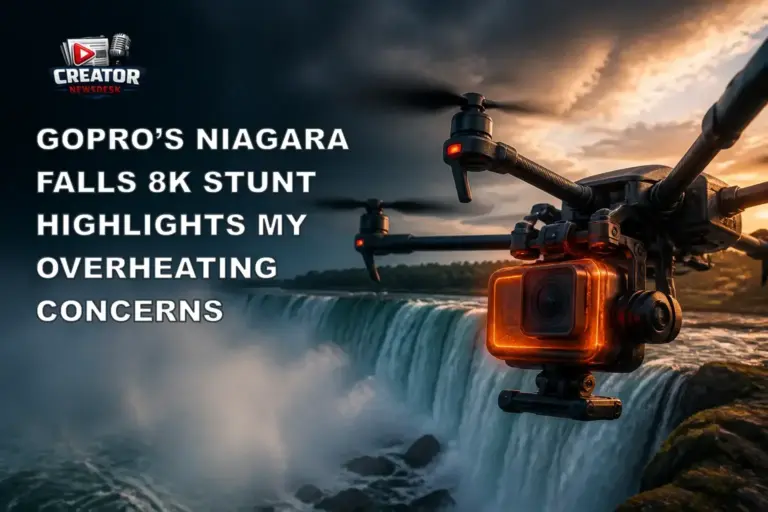
The recent Niagara Falls reel that GoPro touted as an 8K showcase illustrates exactly why I’m skeptical. According to the source, the footage was captured with a MISSION 1 PRO camera strapped to FPV Evan’s drone, flying in airspace that’s restricted on both sides of the U.S.–Canada border. The description notably omitted any mention of a permit, which raises questions about whether the stunt prioritized marketing over compliance and, by extension, reliability. A flashy aerial clip doesn’t change the fact that the same hardware has repeatedly failed me in far less dramatic conditions.
Because of those repeated failures, I no longer recommend GoPro products to fellow creators who need dependable gear. If I’m choosing a camera for a client project, a documentary segment, or any situation where losing footage would be costly, I look elsewhere. DJI’s Osmo Action line and Insta360’s ONE X2 series have consistently delivered stable temperatures and longer recording times in my own tests, making them safer bets for professional work.
Ultimately, a brand’s reputation is built on real‑world performance, not on spectacular stunts that gloss over underlying flaws. Until GoPro proves it can solve the overheating issue in everyday use, I’ll keep my trust—and my footage—with alternatives that have earned it.
Join the conversation
Load Facebook comments to read and reply using your Facebook account.
