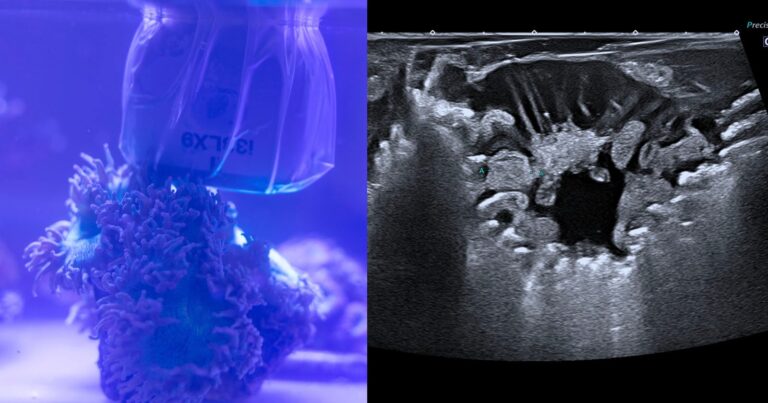
On November 4, 2026, Coral Spawning International (CSI) announced it had performed the world’s first ultrasound scan on living coral using technology provided by Canon Medical Systems UK and Canon EMEA. The procedure aimed to identify developing eggs within coral colonies, marking a significant step in reproductive monitoring for reef conservation efforts. This application adapts diagnostic ultrasound—typically used in human and veterinary medicine—to non-invasively assess biological processes in marine invertebrates.
The collaboration leverages Canon’s expertise in medical imaging systems, applying high-resolution ultrasound hardware and software originally designed for clinical use to a novel ecological context. By enabling real-time visualization of internal structures without harming the specimen, the technique offers researchers a new tool to study coral spawning cycles and timing. Such data is critical for predicting mass spawning events and supporting restoration initiatives amid growing threats from climate change.
While specific device models or technical settings were not disclosed in the announcement, the project underscores the expanding role of imaging technology beyond traditional healthcare. Canon’s involvement reflects its broader strategy of deploying sensing and visualization solutions across environmental science, industrial inspection, and public health domains. The successful scan demonstrates how established medical platforms can be repurposed to address challenges in biodiversity monitoring.
Creator Newsdesk readers may note this as an example of cross-industry innovation, where core competencies in precision imaging enable contributions to ecological research. The initiative aligns with increasing interest in using accessible, non-destructive methods to gather vital reproductive data from fragile ecosystems. No pricing, commercial availability, or product specifications were mentioned in the release. Further details on methodology or follow-up studies have not been made public at this time.
Join the conversation
Load Facebook comments to read and reply using your Facebook account.
