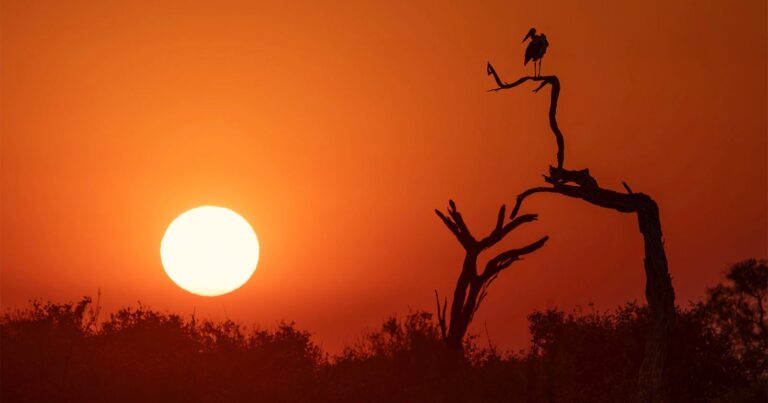
Over the past 35 years, wildlife photography has transformed significantly, shifting from a focus on pure capture to a more creative and competitive discipline. This evolution reflects broader changes in technology, accessibility, and artistic expectations within the field. Photographers who began with film and basic gear now navigate digital workflows, advanced autofocus systems, and post-processing techniques that emphasize storytelling and visual impact.
The competitive landscape has grown alongside these technical advances, with contests and exhibitions placing greater value on originality, composition, and emotional resonance. What once prioritized rare species documentation now often rewards innovative perspectives, lighting, and behavioral insights. This shift has opened new avenues for creators to distinguish themselves not just by what they photograph, but how they interpret and present it.
For content creators today, this evolution means investing in both technical skill and artistic vision. Success increasingly depends on mastering camera systems while developing a unique voice that connects audiences to the natural world. As tools continue to advance, the balance between ethical documentation and creative expression remains central to the craft.
The journey from capture to create underscores a maturing art form where passion, patience, and perspective converge. Creators who embrace this progression are better positioned to thrive in a competitive yet rewarding niche that celebrates both the wild and the wild imagination behind the lens.
Join the conversation
Load Facebook comments to read and reply using your Facebook account.