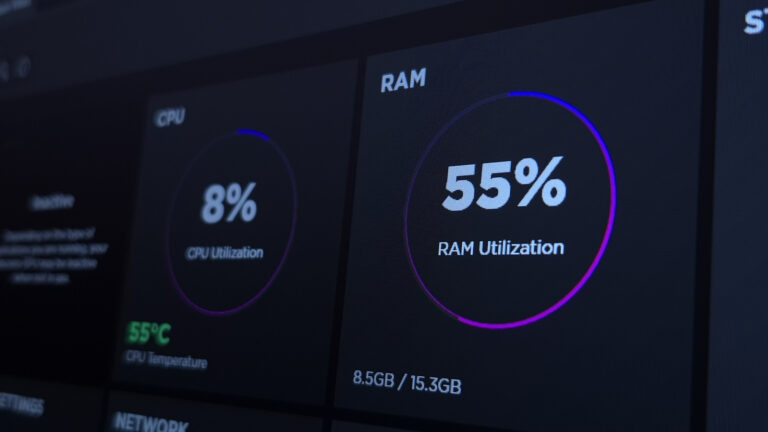
Windows 11 is designed to use a significant amount of your system’s RAM, and according to Engadget, this behavior is normal and intentional. The operating system allocates memory proactively to keep frequently used apps and services ready for instant access, reducing load times and improving responsiveness. This approach helps create a smoother experience, especially when multitasking across creative applications like video editors, design tools, or streaming software.
For content creators, high RAM usage isn’t inherently a problem—it’s a feature aimed at enhancing performance. However, if you begin to notice lag, stuttering during renders, or slow application launches, it may indicate that your system is being pushed beyond its available memory capacity. In such cases, upgrading RAM or closing background processes can help maintain optimal workflow efficiency.
Engadget’s report emphasizes that users shouldn’t panic simply because Windows 11 shows high memory utilization in Task Manager. Instead, they should monitor actual performance metrics. The OS uses RAM as a cache to speed up operations, which benefits creators who rely on quick file access and real-time previews.
Ultimately, understanding how Windows 11 manages memory empowers creators to make informed decisions about their hardware setups. Rather than viewing high RAM usage as a red flag, recognize it as part of the OS’s strategy to deliver a fluid, responsive computing experience—provided your hardware can support the demand.
Join the conversation
Load Facebook comments to read and reply using your Facebook account.
