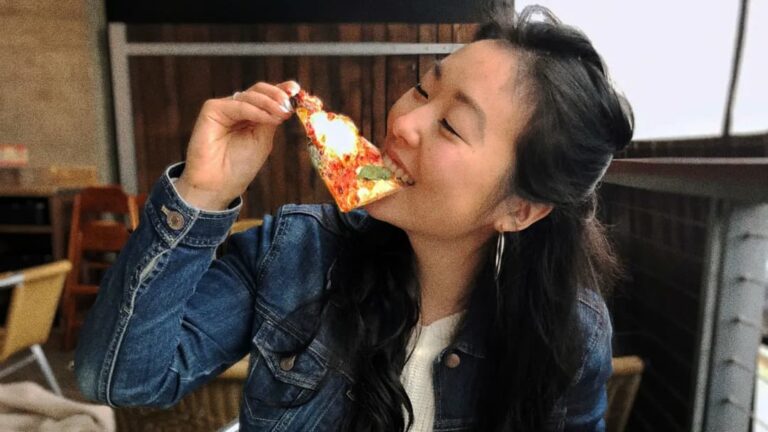
A recent viral incident involving food influencer Allie Tong highlights growing safety concerns for creators working in public spaces. According to Tong, a couple assaulted her assistant and refused to return her sunglasses during a confrontation at a cafe. The altercation, which gained traction online, underscores the physical risks influencers and their teams may face while filming or engaging with the public—even in seemingly low-stakes environments.
For creators, this event serves as a reminder that on-location content carries real-world liability. While no charges or legal outcomes were detailed in the report, the situation raises questions about duty of care for assistants, contractors, or team members present during shoots. Brands sponsoring creators may also reassess risk exposure when campaigns involve unpredictable public interactions.
Platform policies rarely address off-camera safety, leaving creators to navigate protection protocols independently. This gap can lead to inconsistent practices, especially for emerging influencers without access to legal or security resources. Experts recommend clear team conduct guidelines, de-escalation training, and documentation of public encounters to mitigate future incidents.
Audience trust is another factor. Viral clashes, even when unverified in full, can shape public perception of influencers as confrontational or entitled—potentially affecting engagement and partnership value. Creators benefit from transparent communication when such events arise, balancing accountability with privacy.
As public-facing content grows, so does the need for practical safeguards. This incident reinforces that creator businesses must treat physical safety and team welfare as operational priorities—not afterthoughts. Proactive planning, not just reactive responses, will be key to sustaining long-term credibility and collaboration opportunities.
Join the conversation
Load Facebook comments to read and reply using your Facebook account.
